
Cryptocoryne crispatula
Cryptocoryne crispatula
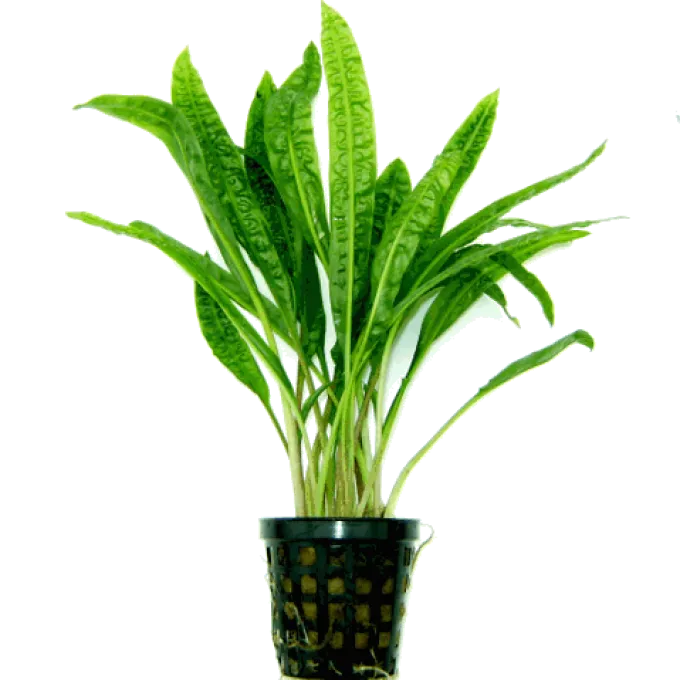
Description
Growing requirements
Cryptocoryne crispatula is a perennial aquatic plant belonging to the Araceae family. Originating from the river systems of Southeast Asia, specifically Thailand and Laos, it is well-adapted to life in flowing water environments.
Botanically, the species is distinguished by its long, strap-like leaves with serrated or ruffled margins. The plant grows from a robust rhizome, which allows it to thrive in nutrient-rich riverbed substrates.
For successful cultivation, the plant requires a fertile substrate. Incorporating root tabs or nutrient-rich soil layers provides the essential minerals needed to support the plant's significant growth and development of offshoots.
The environmental requirements include a temperature range of 22°C to 28°C and moderate to high water hardness. It is a highly adaptable species, although it prefers stability in its water chemistry parameters to maintain lush growth.
Lighting should be provided at a moderate to intense level to ensure the plant exhibits its characteristic coloration and texture. High-quality lighting systems enhance the visual appeal and physiological health of the specimen in submerged conditions.
Main diseases and pests
The most common physiological threat is the so-called "crypt melt," which is a rapid disintegration of the leaf structure. This usually occurs when the plant is suddenly subjected to significant changes in lighting or water parameters.
Invertebrate pests, such as certain species of snails, may graze on the foliage. Maintaining a healthy balance in the ecosystem is essential to discourage herbivorous pests from attacking the plant's leaves.
Nutrient deficiencies, particularly regarding iron or potassium, can cause leaf chlorosis and holes. Regular administration of liquid fertilizers is necessary to prevent these symptoms in high-growth environments.
Substrate compaction can lead to root rot due to the creation of anaerobic pockets. It is vital to use substrate materials that allow for adequate water circulation and prevent the buildup of toxic gases around the roots.
Fungal infections can occasionally occur if the plant is severely weakened by environmental stress. Ensuring clean water through mechanical and biological filtration is the most effective preventative measure for long-term health.