
Ardisia
Ardisia
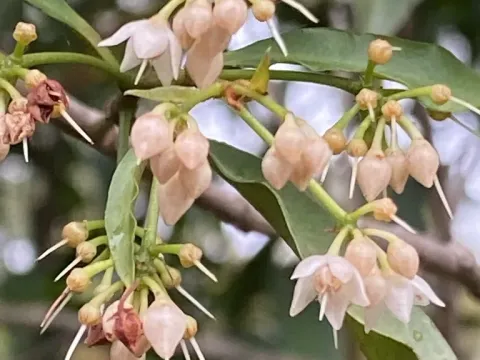
Ardisia is a genus of evergreen trees and shrubs belonging to the Primulaceae family. Native to tropical and subtropical regions across Asia, Australia, and the Americas, these plants are highly valued for their glossy foliage and persistent, bright red decorative berries.
What the section contains
 Ardisia complanata
Ardisia complanata
Ardisia complanata
 Ardisia compressa
Ardisia compressa
Ardisia compressa
 Ardisia coriacea
Ardisia crassa
Ardisia crassa
Ardisia coriacea
Ardisia coriacea
Ardisia crassa
Ardisia crassa
 Ardisia dentata
Ardisia dentata
Ardisia dentata
 Ardisia elliptica
Ardisia elliptica
Ardisia elliptica
 Ardisia escallonioides
Ardisia foliosa
Ardisia foliosa
Ardisia escallonioides
Ardisia escallonioides
Ardisia foliosa
Ardisia foliosa
 Ardisia gardneri
Ardisia gardneri
Ardisia gardneri
 Ardisia guianensis
Ardisia guianensis
Ardisia guianensis
 Ardisia humilis
Ardisia humilis
Ardisia humilis
 Ardisia hybrids
Ardisia hybrids
Ardisia hybrids
 Ardisia obovata
Ardisia ometepensis
Ardisia ometepensis
Ardisia obovata
Ardisia obovata
Ardisia ometepensis
Ardisia ometepensis
 Ardisia paniculata
Ardisia paniculata
Ardisia paniculata
 Ardisia parasitica
Ardisia parasitica
Ardisia parasitica
 Ardisia pauciflora
Ardisia pauciflora
Ardisia pauciflora
 Ardisia polycephala
Ardisia polycephala
Ardisia polycephala
 Ardisia revoluta
Ardisia rostrata
Ardisia rostrata
Ardisia revoluta
Ardisia revoluta
Ardisia rostrata
Ardisia rostrata
 Ardisia sieboldii
Ardisia sieboldii
Ardisia sieboldii
 Ardisia solanacea
Ardisia solanacea
Ardisia solanacea
 Ardisia teysmanniana
Ardisia teysmanniana
Ardisia teysmanniana
 Ardisia tuberculata
Ardisia tuberculata
Ardisia tuberculata
Ardisia
The plant requires bright, indirect light to thrive; excessive direct sunlight can scorch the leaves, while low light leads to reduced flowering and berry production. Temperature management is crucial, with an ideal range of 18–22 degrees Celsius during the growing season and a cooler winter period.
A well-draining, slightly acidic soil mixture is essential for the health of Ardisia. A combination of peat moss, perlite, and loam provides the necessary structure to prevent waterlogging, which is a major physiological challenge for this species when grown in containers.
Consistent watering is required to maintain soil moisture, but it must be carefully balanced to avoid root rot. High atmospheric humidity is vital for the plant; using humidifiers or regular misting during the winter heating season helps maintain the plant's aesthetic and biological vigor.
The primary economic use of Ardisia is as an ornamental plant for interior landscaping and as a pot plant in nurseries. Its slow growth rate and attractive fruit display make it a staple in the retail floriculture industry, requiring skilled horticultural management to ensure year-round quality.
Common pests affecting Ardisia include mealybugs, scale insects, and spider mites. These pests thrive in dry environments and can quickly infest the underside of leaves, necessitating the use of systemic insecticides or horticultural oils to prevent structural damage to the foliage.
Root rot, often caused by overwatering or poor container drainage, remains the most significant disease risk. Early identification is key, involving the inspection of the root system and the removal of decaying tissue before replanting in a sterile, well-draining substrate.
Leaf chlorosis is frequently observed when the plant is irrigated with hard water, which increases the pH of the growing medium and limits nutrient uptake. Using filtered or acidified water combined with iron supplements can correct this nutrient deficiency and restore leaf health.
Bacterial leaf spot can develop in stagnant air environments, causing unsightly lesions on the foliage. Improving air circulation and reducing leaf wetness are primary cultural controls, supplemented by copper-based fungicides if the infection becomes widespread.
Effective pest and disease management in Ardisia involves integrated practices that prioritize environmental stability. Monitoring for early signs of stress and adjusting the moisture regime accordingly helps prevent the most frequent causes of plant decline in both indoor and greenhouse settings.