
Bird's-eye primrose (stricta)
Primula stricta
Description
Growing requirements
Primula stricta, commonly known as the upright primrose, is a member of the Primulaceae family. It is an herbaceous perennial well-adapted to the harsh arctic climates.
Native to the arctic regions of North America and Eurasia, the plant is typically found in moist, open habitats such as marshes, tundra, and coastal meadows.
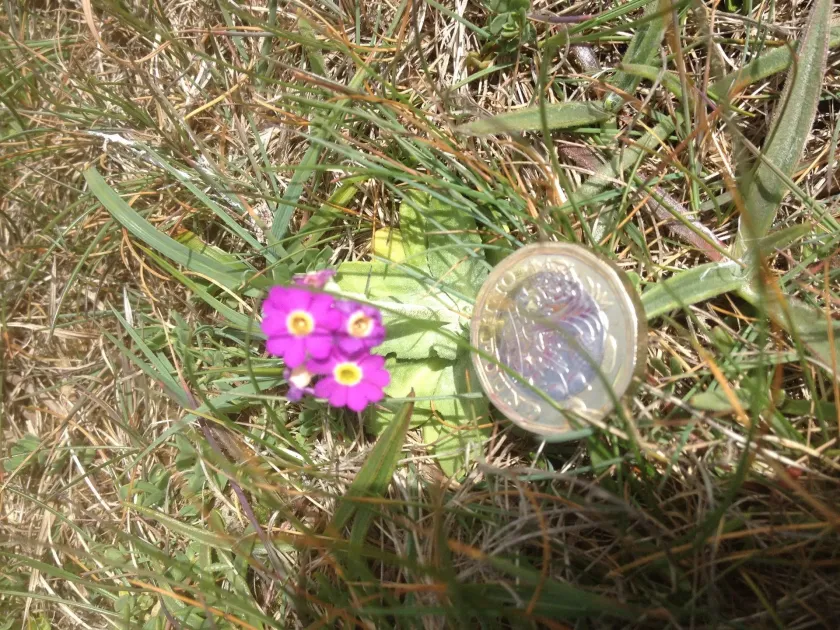
The plant features a basal rosette of leaves and a slender, upright flower stalk that produces small, attractive purple or lilac flowers in a terminal cluster.
To successfully cultivate Primula stricta, one must simulate its natural habitat: it requires cool temperatures, consistent moisture, and soil that is rich in organic matter.
In terms of agricultural or horticultural use, this species is primarily valued by plant collectors and rock garden enthusiasts who specialize in arctic flora.
Main diseases and pests
The main threats to Primula stricta include crown rot and fungal infections, particularly when the drainage is poor or the plants are kept too damp in summer.
Root rot is a significant concern for this species, as it thrives in cool, well-aerated environments; stagnant water around the roots quickly leads to plant death.
Pests such as aphids and slugs can damage the foliage and flower stalks, especially in sheltered garden environments where natural predators are absent.
Monitoring for signs of wilting is crucial, as the plant is highly sensitive to heat stress, which often precedes secondary infections from pests or fungi.
Gardeners should focus on prevention through proper site selection and ensuring that the soil medium remains cool and does not suffer from excessive drying or flooding.