
Ardisia hybrids
Ardisia hybrids
Description
Growing requirements
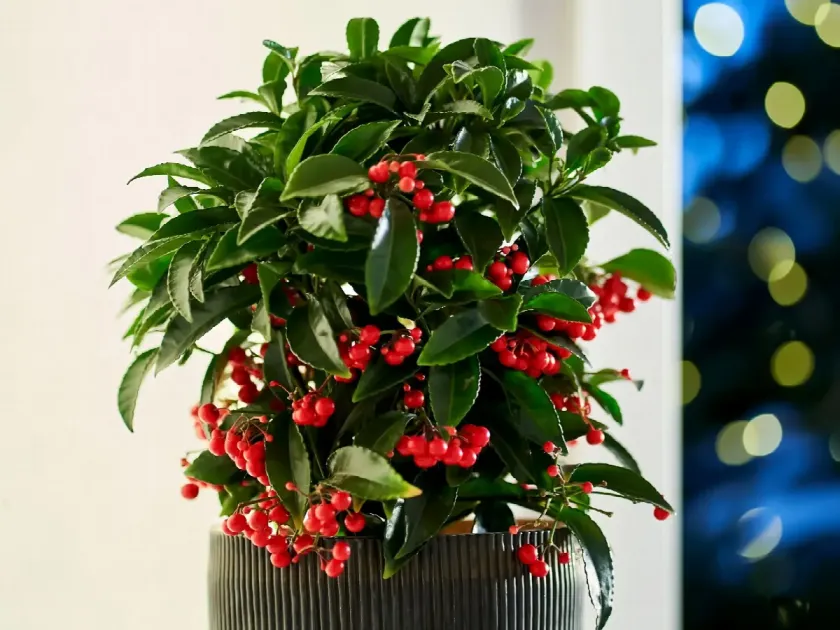
Ardisia hybrids are ornamental flowering and fruiting plants belonging to the Primulaceae family. These varieties are highly valued in the horticultural industry for their glossy foliage and persistent, bright-colored berries.
Native to tropical and subtropical regions of Asia and the Americas, these hybrids require a warm climate and high atmospheric humidity to thrive, resembling their ancestral tropical environment.
The ideal substrate for Ardisia is a well-draining, nutrient-rich potting mix with a slightly acidic pH, which supports robust root development and efficient nutrient uptake.
Optimal growth is achieved in bright, indirect light conditions. While the plant can tolerate lower light levels, excessive shade will inhibit the production of its signature decorative berries.
Regular fertilization with balanced nutrients, specifically during the growing season, is essential for maintaining plant vigor and ensuring the longevity of the fruit display.
Main diseases and pests
Scale insects and mealybugs represent the primary pest threats to Ardisia hybrids, as they colonize the stems and leaf axils, draining sap and weakening the plant structure.
Spider mites can become a significant issue in low-humidity environments, necessitating regular misting or the application of specific acaricides to protect the foliage.
Fungal pathogens, particularly those causing root rot, are common in poorly drained soils or over-watered environments, often leading to rapid decline of the entire plant.
Prevention involves ensuring proper substrate aeration, avoiding standing water in the drainage tray, and maintaining optimal air circulation around the plants.
Effective management includes routine inspections for signs of chlorosis or leaf drop, which can indicate nutrient imbalances or the early stages of a pest infestation requiring immediate intervention.