
Ardisia solanacea
Ardisia solanacea
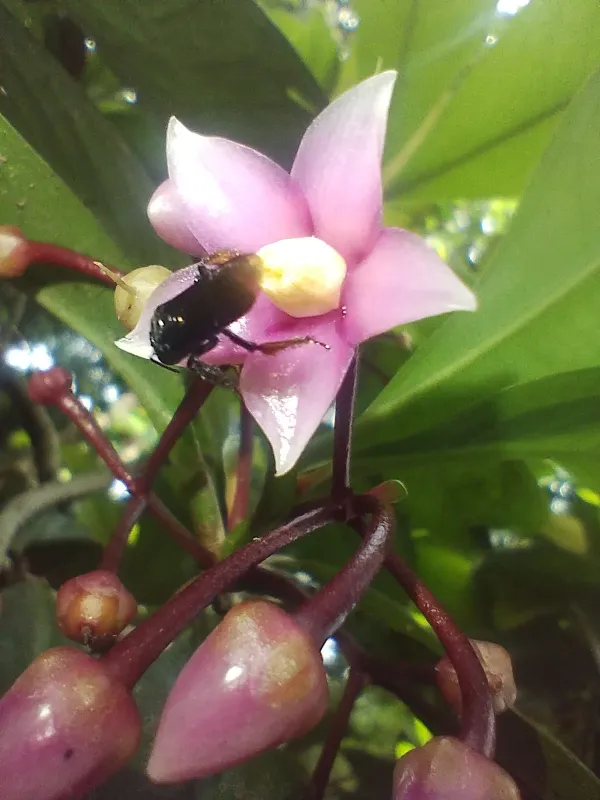
Description
Sowing dates
Propagation of Ardisia solanacea is primarily achieved through seeds. It is recommended to sow seeds immediately after harvest to ensure the highest germination rates.
Prepare a light, well-draining potting mix containing peat, perlite, and a small amount of compost. Maintain constant moisture without waterlogging the substrate.
Keep the seed trays in a warm environment with temperatures ranging between 22 and 26 degrees Celsius. Cover with plastic to maintain local humidity.
Seedlings should be transplanted once they develop at least two sets of true leaves. Handle the roots with extreme care to avoid transplantation shock.
The maturation process is relatively slow, so patience is required while the young plants establish their root systems in individual pots.
Growing requirements
Ardisia solanacea belongs to the Primulaceae family and is native to tropical forests in Southeast Asia. It is a striking evergreen shrub known for its ornamental berries.
This species thrives in bright, filtered light. While it tolerates some shade, direct sunlight can scorch the glossy leaves and reduce its overall vitality.
The plant prefers a soil pH that is slightly acidic. Good drainage is vital, as the roots are highly susceptible to rot when exposed to stagnant water.
High humidity levels are essential for the health of Ardisia solanacea. During the growing season, misting the foliage regularly helps mimic its natural tropical environment.
The plant performs best in temperatures between 18 and 25 degrees Celsius and should be protected from cold drafts and sudden environmental shifts.
Main diseases and pests
Common pests such as scale insects and mealybugs can infest the foliage, particularly when the surrounding air is too dry for the plant's needs.
Overwatering is a frequent mistake that leads to fungal root rot, which is often fatal if not detected in the early stages of the disease.
Spider mites can also be a nuisance, causing leaf discoloration and webbing on the underside of the leaves if the environment is neglected.
To keep the plant healthy, ensure adequate air circulation and inspect the leaves regularly for early signs of pest activity or discoloration.
Use neem oil or gentle horticultural soaps as preventive measures against minor pest outbreaks before they become a significant threat to the shrub.