
Ardisia sieboldii
Ardisia sieboldii
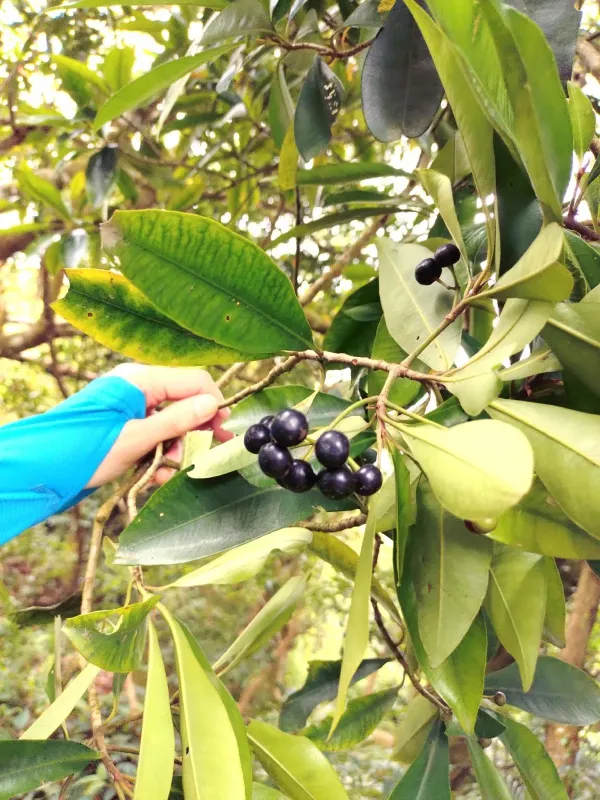
Description
Growing requirements
Ardisia sieboldii is an evergreen shrub or small tree belonging to the Primulaceae family, valued for its dense foliage and ornamental properties in subtropical landscapes.
The species originates from East Asia, specifically regions with a humid climate, such as Japan and Taiwan, where it grows in forested, sheltered environments.
Successful cultivation requires well-draining soil that is rich in organic matter, maintaining a slightly acidic to neutral pH level to ensure nutrient uptake.
Climate requirements include protection from frost and extreme heat; the plant thrives in conditions with high atmospheric humidity and moderate sunlight exposure.
Agricultural practices involve consistent watering during the growing season and periodic fertilization to support dense growth and vibrant foliage development.
Main diseases and pests
Common pests affecting Ardisia sieboldii include scale insects and spider mites, which typically target the plant when humidity levels are suboptimal.
Fungal issues, such as root rot or leaf spot, are prevalent in poorly ventilated areas or locations with waterlogged soil conditions, which must be strictly avoided.
Effective management strategies include improving air circulation around the plants and avoiding overhead irrigation during cooler evening hours.
Biological controls are often sufficient for minor infestations, while chemical interventions should be reserved for acute pest population outbreaks.
Regular pruning of dead or diseased branches helps maintain plant vigor and reduces the risk of spreading infections within a collection or plantation.