
Ardisia escallonioides
Ardisia escallonioides
Description
Growing requirements
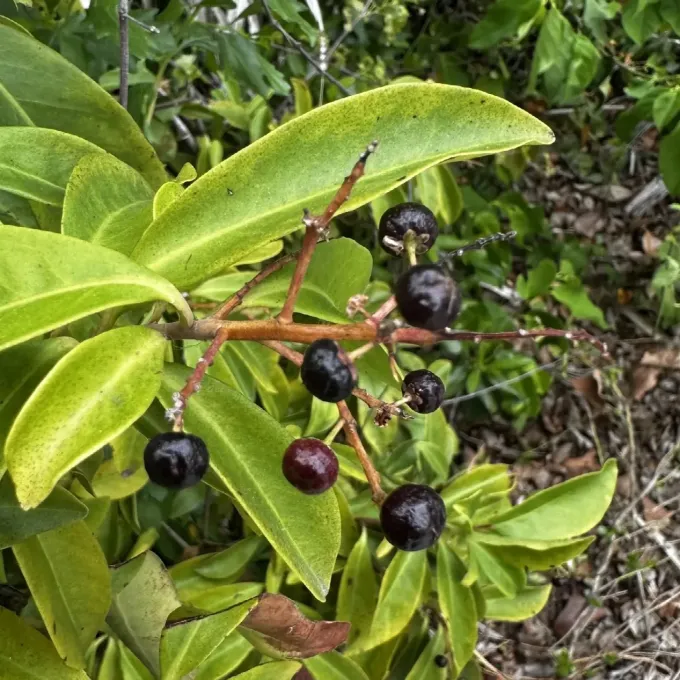
Ardisia escallonioides, commonly known as island marlberry, is an evergreen tree or large shrub belonging to the Primulaceae family. Native to tropical and subtropical regions of the Americas, including Florida, the Caribbean, Mexico, and Central America, it is highly valued for its landscape potential.
The plant thrives in warm climates where temperatures remain stable throughout the year. It prefers locations with full sun to partial shade, where the light intensity supports a dense and lush canopy. Young specimens require protection from intense midday sun to prevent leaf scorching.
Optimal soil conditions include well-draining, fertile substrates with a neutral to slightly acidic pH. The plant is sensitive to waterlogged conditions, making effective drainage systems critical, especially when grown in containers or areas with heavy clay soil.
While the species is naturally adapted to various soil types, including limestone-derived soils, supplemental organic fertilization during the active growing season promotes healthier development. Regular watering is essential during dry spells, though the surface soil should be allowed to dry out between applications.
Its primary use is ornamental, serving as a specimen plant, a component of native landscaping, or a hedge in frost-free regions. Additionally, it is occasionally kept as an exotic indoor plant, valued for its glossy foliage, fragrant white flowers, and dark purple to black berries.
Main diseases and pests
Fungal infections pose the most significant threat to Ardisia escallonioides, particularly when humidity levels are improperly managed. Excessive soil moisture often leads to root rot, which can be devastating if not identified early.
Insect pests such as scale insects and mealybugs are common, feeding on plant sap and weakening the overall vigor of the shrub. These pests often congregate on the undersides of leaves and along tender stems, requiring timely intervention.
Spider mites represent another concern, especially in indoor environments where air humidity is low. Infestations are characterized by fine webbing and yellowing leaves, which can be mitigated by increasing humidity and cleaning the foliage regularly.
Leaf spot disease is a common pathological issue that manifests as dark, necrotic lesions on the leaves. This usually occurs in crowded planting conditions or areas with stagnant air, providing the perfect environment for pathogen proliferation.
Management strategies involve the use of systemic insecticides to control sap-sucking insects and copper-based fungicides to treat fungal outbreaks. Promoting good airflow and strictly following irrigation schedules are essential cultural practices for preventing these common threats.