
Ardisia humilis
Ardisia humilis
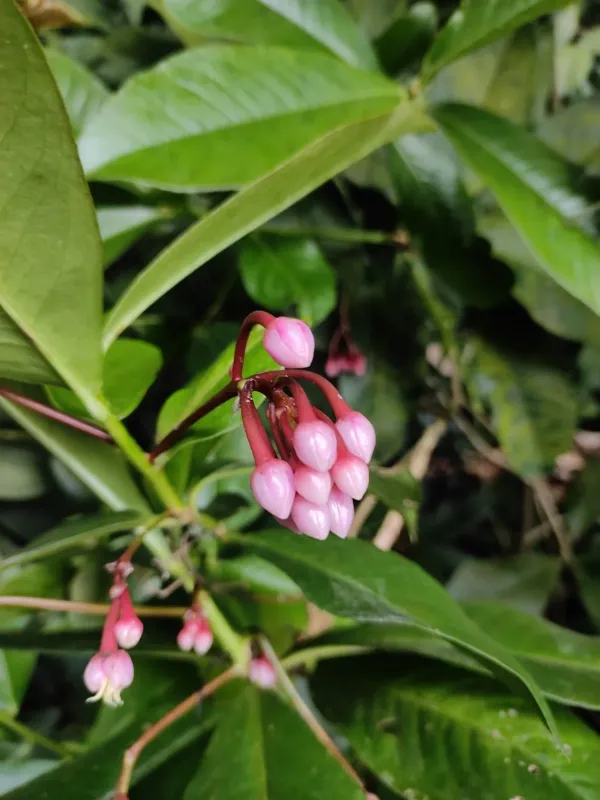
Description
Sowing dates
Propagation of Ardisia humilis is typically achieved through seeds, which should be sown in a light, well-draining peat-based medium.
Seeds require a consistent temperature of approximately 22 degrees Celsius and high humidity to successfully break dormancy.
Seedlings should be kept in a position with bright, indirect light to encourage healthy development of the primary root system.
Vegetative propagation via stem cuttings is another viable method, though it requires specific rooting hormones and a controlled environment.
Regular monitoring of moisture levels is crucial during the early stages of growth to prevent desiccation of the delicate young seedlings.
Growing requirements
Ardisia humilis is a member of the Primulaceae family, native to the tropical forests of Southeast Asia and surrounding regions.
The plant performs best in a fertile, slightly acidic soil substrate that provides both moisture retention and proper aeration.
Exposure to bright, filtered light is essential, as direct sunlight can damage the leaves and diminish the vibrancy of the fruits.
A stable temperature range between 18 and 25 degrees Celsius is recommended for optimal vegetative growth and reproductive health.
High relative humidity is necessary to mirror its native tropical habitat, preventing leaf curling and ensuring consistent growth cycles.
Main diseases and pests
Scale insects and mealybugs represent the primary pest threats, often colonizing the undersides of leaves and stems in warm conditions.
Poor drainage or excessive watering frequently leads to root rot, which is a common fatal condition for this specific plant species.
Spider mites are frequently encountered when air humidity falls below recommended levels, leading to chlorosis and potential defoliation.
Integrated pest management strategies, including the use of systemic insecticides and neem oil, are effective in controlling outbreaks.
Ensuring proper ventilation and avoiding waterlogged soil are the most effective preventative measures against fungal pathogens.