
Ardisia gardneri
Ardisia gardneri
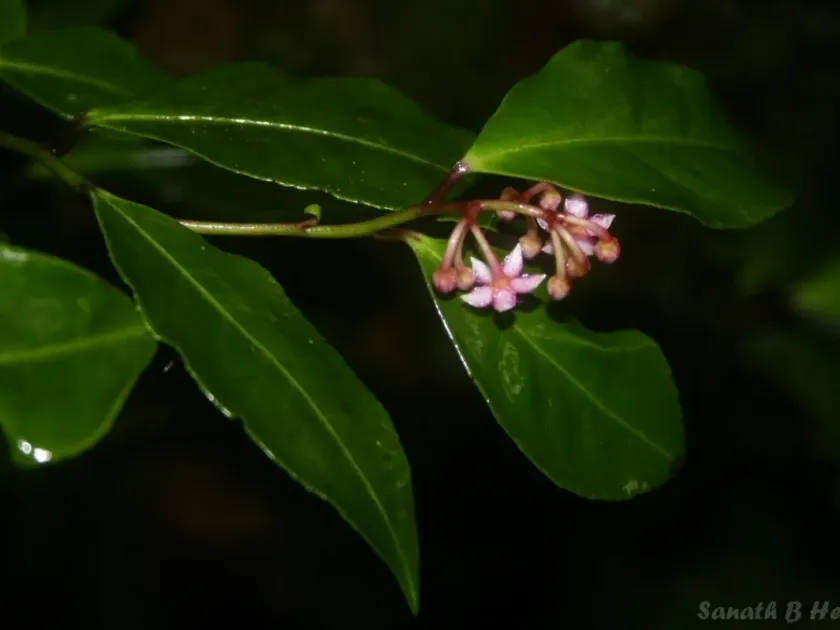
Description
Growing requirements
Ardisia gardneri is an evergreen woody plant belonging to the Primulaceae family. Native to tropical forest ecosystems, it requires high ambient humidity and moderate temperatures to thrive in an agricultural or conservatory setting.
The optimal climate for this species is one where temperatures remain consistently between 18 and 25 degrees Celsius. It is essential to protect the plant from cold drafts and extreme temperature fluctuations, which can cause leaf abscission.
Soil quality is paramount for the health of Ardisia gardneri. It demands a well-draining, slightly acidic medium rich in organic matter. A mixture of peat, perlite, and pine bark creates the ideal structure for healthy root respiration.
Regarding light, this plant prefers bright, indirect sunlight. Exposure to direct midday sun can result in severe chlorosis or leaf scorching, significantly reducing the aesthetic and physiological value of the crop.
Consistent moisture management is required for successful growth. The substrate should be kept consistently moist but never waterlogged. Using tepid water for irrigation prevents thermal shock to the root system.
Main diseases and pests
Scale insects and mealybugs are the primary pests that affect Ardisia gardneri. These insects settle in leaf axils, draining sap and causing stunted growth and the development of sooty mold on the foliage.
Spider mites can become problematic if the indoor environment lacks adequate humidity. Regular misting and maintenance of air circulation are effective cultural controls against these arachnid pests.
Root rot, driven by Pythium or Phytophthora species, remains the most critical disease threat. It is typically associated with over-irrigation or the use of poorly sterilized growing media during propagation.
Fungal leaf spot infections occur when water remains on the leaves for prolonged periods in cool, damp conditions. Ensuring that the foliage is dry before nightfall helps mitigate this risk significantly.
Integrated pest management strategies should focus on regular visual inspection. Early intervention with neem oil or systemic insecticides is recommended to keep the plant population healthy and productive.