
Ardisia revoluta
Ardisia revoluta
Description
Growing requirements
Ardisia revoluta is an evergreen species belonging to the Primulaceae family. Native to the tropical regions of Southeast Asia, this shrub is naturally adapted to high-humidity environments and warm temperatures, typical of tropical rainforest understories.
The plant thrives in partial shade, where it is protected from intense, direct sunlight. Consistent humidity levels are essential for its physiological health, and growers should ensure that the air remains moist during dry periods, especially in greenhouse conditions.
Regarding soil requirements, this species favors well-draining, nutrient-rich substrates with a slightly acidic to neutral pH level. Proper drainage is crucial, as the root system is sensitive to waterlogging, which often leads to rapid decay in containerized plants.
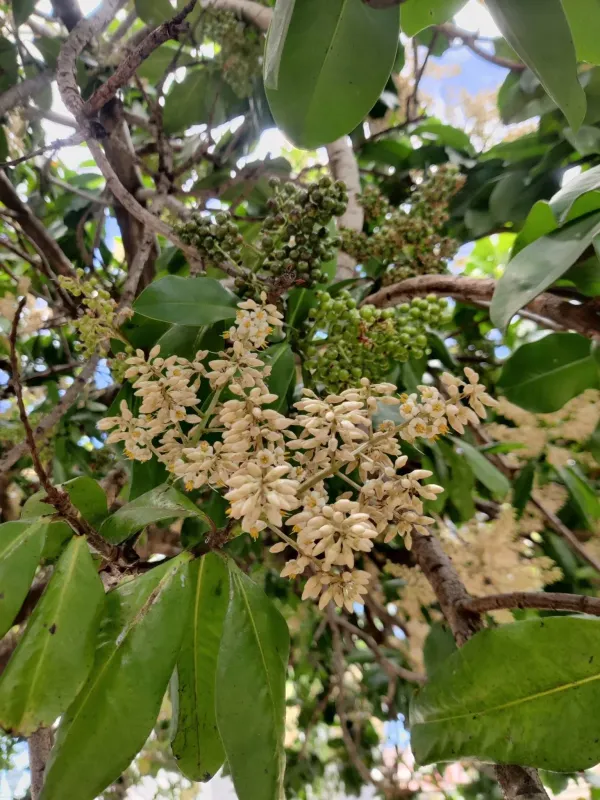
Botanically, it is known for its leathery, distinctively revolute leaves and small, often fragrant flowers. Following the flowering phase, the plant produces clusters of small drupes that provide significant aesthetic value to the overall appearance of the shrub.
In terms of хозяйственное (economic) use, Ardisia revoluta is primarily grown as an ornamental plant. It is frequently utilized in landscape architecture within its native range and serves as a valued specimen for indoor ornamental gardening due to its evergreen nature and relative resilience.
Main diseases and pests
Common pests associated with this species include scale insects and spider mites, which can be particularly problematic in indoor environments with low airflow. These pests extract sap from the leaves, requiring prompt intervention with horticultural oils or soap sprays.
Root rot caused by pathogenic fungi is the most serious disease risk. This condition is almost exclusively linked to poor drainage or overwatering practices, necessitating careful monitoring of substrate moisture content throughout the growing season.