
Ardisia dentata
Ardisia dentata
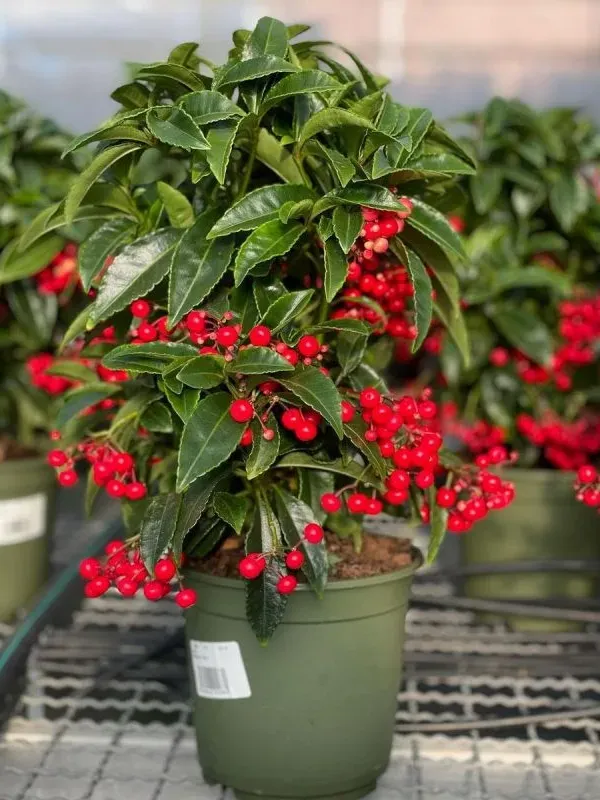
Description
Growing requirements
Ardisia dentata is an evergreen ornamental shrub belonging to the Primulaceae family. It is native to the tropical and subtropical regions of Asia, where it thrives in forest understories characterized by high ambient humidity, diffused lighting, and relatively stable temperatures throughout the year.
The plant features distinct leathery leaves with serrated margins, which give the species its botanical name. It is highly valued for its clusters of small flowers followed by decorative berries, which persist on the plant for a significant duration, making it a popular choice for indoor horticulture and conservatory displays.
Growing conditions for Ardisia dentata require temperatures between +18 and +24 degrees Celsius. It is highly sensitive to cold drafts and sudden thermal fluctuations, necessitating a controlled environment if cultivated in regions with harsh winters, where it should be kept as a greenhouse or houseplant.
The ideal soil substrate for this species must be well-drained, airy, and slightly acidic. A mix consisting of peat, leaf mold, and horticultural sand is recommended to provide adequate aeration to the roots and prevent waterlogging, which is a common cause of failure in container cultivation.
Irrigation practices involve maintaining consistent soil moisture without allowing the roots to sit in excess water. High air humidity is crucial for the development of healthy foliage; therefore, regular misting or the use of pebble trays is essential to replicate the plant's natural humid environment.
Main diseases and pests
Scale insects and mealybugs are the most common pests affecting Ardisia dentata, often found on the undersides of leaves or in leaf axils. Management involves manual removal followed by the application of horticultural oils or systemic insecticides to prevent severe damage to the plant's vascular system.
Root rot, typically caused by overwatering or poor drainage, presents a significant threat. Early detection of yellowing leaves or stunted growth should trigger an inspection of the root ball, followed by repotting into fresh, sterile substrate and the application of appropriate fungicidal treatment.
Chlorosis is frequently observed when the plant is watered with hard water or grown in an unsuitable pH level, inhibiting nutrient uptake. Using filtered or distilled water and applying chelated iron supplements can effectively correct yellowing and restore the deep green color of the leaves.
Spider mites may proliferate during the winter months when indoor heating systems cause the air to become excessively dry. Maintaining proper humidity levels through regular misting and cleaning the leaves with a damp cloth are effective preventive strategies against these microscopic pests.
Viral infections, although less frequent, require strict sanitation protocols, including the sterilization of pruning tools and immediate isolation of symptomatic plants. Keeping the plant environment clean and monitoring for any abnormal growth patterns is vital for maintaining a healthy ornamental collection.