
Ardisia paniculata
Ardisia paniculata
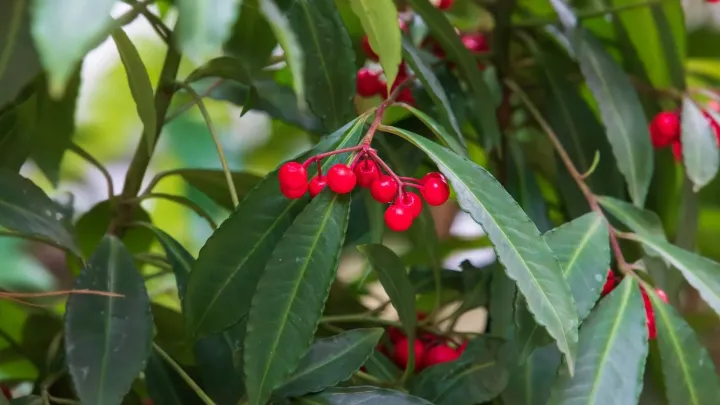
Description
Growing requirements
Ardisia paniculata is an evergreen shrub belonging to the Primulaceae family. It is native to the tropical forests of Southeast Asia, where it thrives in humid environments under the canopy of larger trees, which dictates its preference for filtered light.
The plant features glossy, leathery leaves and characteristic panicle inflorescences that transition into attractive berries. This growth pattern makes it a popular choice for ornamental horticulture in temperate zones, typically kept as a container plant in greenhouses or indoors.
Climate requirements include a stable temperature range between 18°C and 25°C. Exposure to direct sunlight should be minimized to avoid scorching the leaves, while high humidity levels are essential to prevent the foliage from drying out and dropping prematurely.
Soil requirements involve a well-draining, slightly acidic medium. A mixture of peat, loam, and coarse sand provides the necessary aeration and moisture retention. Ensuring the container has adequate drainage holes is crucial to prevent waterlogging at the roots.
Cultivation practices involve consistent watering schedules, ensuring the soil remains moist but never waterlogged. During the active growth season, balanced liquid fertilizers should be applied every few weeks to support the development of inflorescences and fruit clusters.
Main diseases and pests
Common pests affecting Ardisia paniculata include scale insects, mealybugs, and spider mites. These organisms thrive in sheltered indoor environments and can quickly infest the foliage, leading to weakened plant vigor and aesthetic decline.
Fungal infections, particularly root rot, are the most frequent health threats resulting from poor drainage or excessive soil moisture. Symptoms include wilting leaves and dark, mushy stems that indicate severe compromise of the vascular system.
Chlorosis is a frequent nutritional issue, often manifesting as yellowing between the veins of the leaves. This is usually caused by iron deficiency or the use of hard water, which raises the pH level and prevents proper nutrient absorption by the roots.
Regular maintenance, including wiping the leaves with a damp cloth, serves as an effective physical control method for small pest populations. Increasing air circulation around the plant also significantly lowers the risk of pathogen accumulation on the leaf surfaces.
Sanitation practices such as removing dead leaves and pruning overgrown branches are vital. This not only maintains the desired shape of the shrub but also removes potential habitats for pests, ensuring the plant remains healthy throughout its life cycle.