
Ardisia pauciflora
Ardisia pauciflora
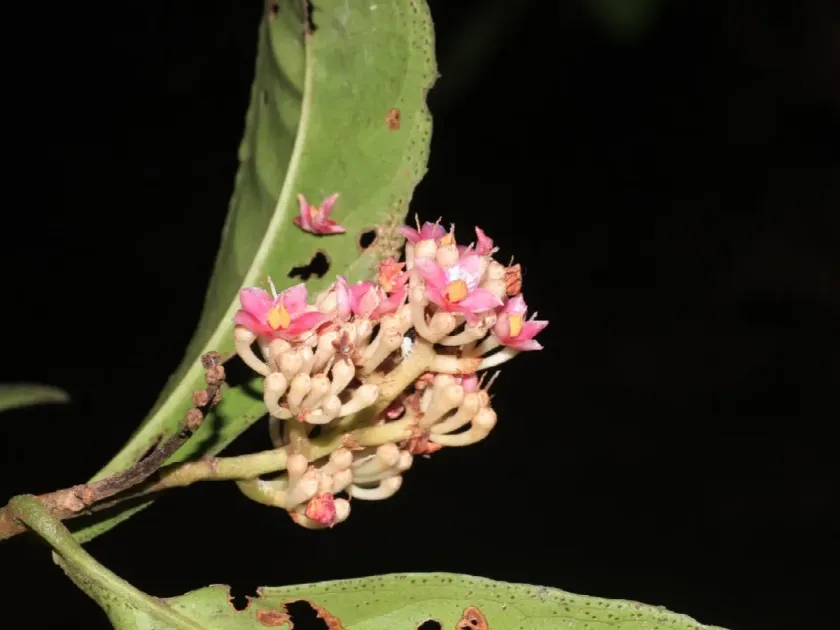
Description
Growing requirements
Ardisia pauciflora is an evergreen woody plant belonging to the Primulaceae family. Native to the tropical regions of Southeast Asia, this species typically thrives in shaded, humid environments that characterize tropical undergrowth ecosystems.
The botanical characteristics of this plant include dense, leathery foliage and clusters of small, inconspicuous flowers. It is recognized for its compact structure, which makes it highly adaptable for controlled environments and specialized ornamental production.
Successful cultivation requires a stable temperature range between 18°C and 24°C, as the plant is sensitive to thermal shock. Humidity management is equally critical, with optimal levels recommended between 60% and 70% to ensure healthy leaf development and prevent tissue dehydration.
The soil substrate must be nutrient-rich, acidic, and well-drained. Agronomists recommend a peat-based mix supplemented with perlite or pine bark to prevent root hypoxia, which is a common issue when growing tropical shrubs in containers.
In terms of economic use, the plant is primarily utilized in the ornamental horticulture sector. It serves as a high-value aesthetic crop for interior landscaping, valued for its persistent foliage and ability to maintain structural integrity in indoor settings.
Main diseases and pests
The most common disease threat for Ardisia pauciflora is root rot, typically caused by Pythium or Phytophthora species in waterlogged soil conditions. Proactive management of the moisture regime is the primary defense against these soil-borne pathogens.
Scale insects and mealybugs represent the most significant pest pressure for this species. These sucking insects settle in leaf axils and stems, extracting sap and weakening the plant, which often leads to secondary infections like sooty mold.
Spider mites are another major concern, especially in environments where air circulation is poor and humidity levels are insufficient. These pests can rapidly cause chlorosis and leaf drop if not addressed with timely acaricide applications.
Aphid infestations may occur on new, succulent growth. While typically less damaging than scale, they compromise the plant's aesthetic value and can act as vectors for various plant pathogens.
Integrated pest management (IPM) strategies for this crop emphasize sanitation, monitoring for early detection, and the use of targeted systemic insecticides. Maintaining proper distance between plants helps to reduce humidity traps and prevents the rapid spread of pests.