
Petchoa
x Petchoa J. M. H. Shaw
Description
Growing requirements
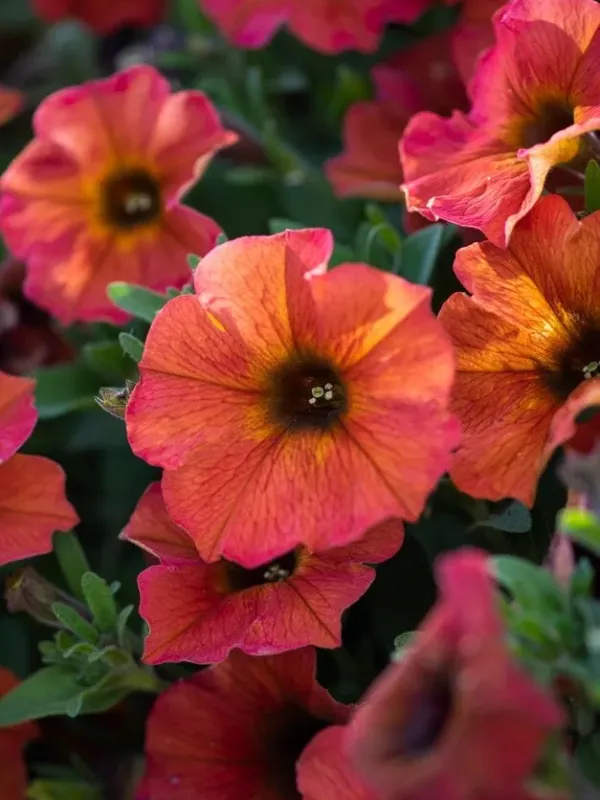
Petchoa (x Petchoa J. M. H. Shaw) is an intergeneric hybrid derived from a cross between Petunia and Calibrachoa. This member of the Solanaceae family combines the large, showy flowers of a petunia with the exceptional heat and disease tolerance typical of calibrachoa.
These plants thrive in full sun and require well-draining soil to perform at their best. Because their root system is sensitive to waterlogging, it is crucial to use a potting mix with high aeration and ensure containers have adequate drainage holes.
The ideal soil pH for Petchoa is slightly acidic, ranging from 5.5 to 6.0. Maintaining this range is essential, as high alkalinity often leads to iron chlorosis, manifesting as yellowing leaves while veins remain green, significantly impairing the plant's aesthetic value.
Regular fertilization is key to maintaining vigorous growth and continuous blooming. Using a balanced, water-soluble fertilizer specifically formulated for flowering annuals on a weekly basis ensures the plants receive necessary micronutrients, particularly iron.
Petchoa plants are highly prized for their hardiness. They recover quickly from short periods of drought and can withstand harsh wind, making them excellent choices for hanging baskets, window boxes, and high-exposure landscape locations.
Main diseases and pests
The most common disease affecting Petchoa is powdery mildew, which appears as white, dusty spots on the foliage. This condition is often encouraged by poor air circulation and high humidity, particularly in crowded planting areas.
Pests such as aphids, spider mites, and whiteflies frequently target Petchoa. These insects can rapidly drain the plant's vitality. Regular monitoring, especially under the leaves, is necessary to detect early signs of an infestation before it becomes widespread.
Root rot is a significant risk if the plants are overwatered. Using high-quality substrate and ensuring that the top inch of soil dries out slightly before the next watering cycle significantly reduces the risk of fungal pathogens in the root zone.
For chemical control of pests, insecticidal soaps or systemic insecticides can be used according to the manufacturer's instructions. It is advised to rotate treatments to prevent the buildup of pest resistance to specific chemical classes.
Deadheading—removing spent blossoms—serves a dual purpose: it keeps the plant looking tidy and prevents the accumulation of decaying plant matter, which can serve as a breeding ground for various fungal spores and secondary infections.