
Catasetum discolor
Catasetum discolor
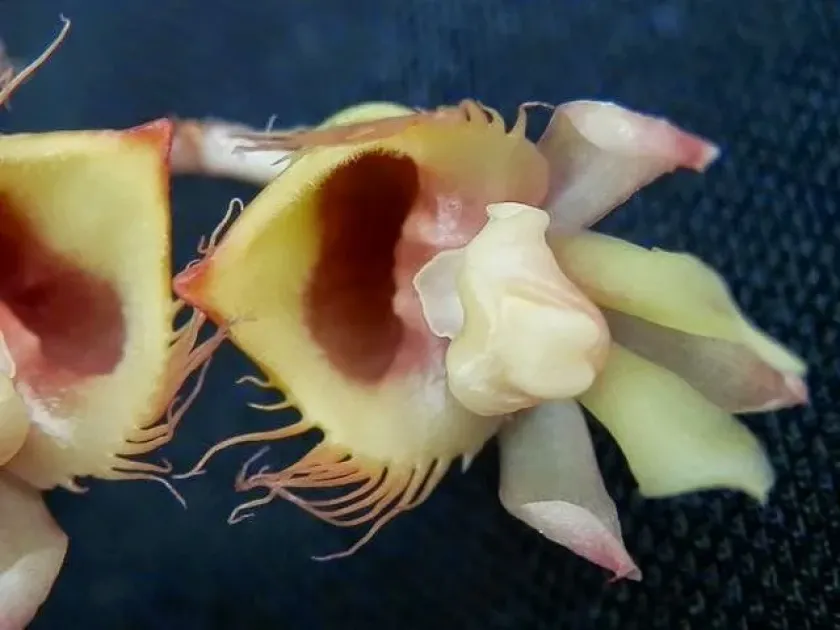
Description
Growing requirements
Catasetum discolor belongs to the Orchidaceae family. It is an epiphytic orchid native to the tropical rainforests of South America, specifically Brazil and Venezuela, where it naturally colonizes tree trunks and branches.
The plant exhibits a sympodial growth habit, developing spindle-shaped pseudobulbs that serve as storage organs for water and essential nutrients. Its foliage is characterized by broad, lanceolate leaves with a distinct plicate texture.
Successful cultivation requires high humidity levels, ideally maintained between 60% and 80%. Proper air circulation is critical to prevent moisture from pooling in the leaf axils, which can lead to rapid decay.
The temperature must mirror its tropical habitat, with daytime temperatures ranging from +25°C to +30°C. While a slight nighttime drop is acceptable, it should not fall below +18°C to ensure the plant remains in a healthy metabolic state.
The recommended growing medium consists of a mixture of pine bark, charcoal, sphagnum moss, and perlite. This blend promotes excellent drainage and root aeration, preventing the root system from becoming waterlogged.
Main diseases and pests
The most significant threats to this culture are fungal infections, typically triggered by an overly moist substrate or stagnant air conditions in the growing area.
Bacterial rot is a common issue that can quickly compromise the integrity of the pseudobulbs. Once signs of tissue darkening are detected, immediate sanitary pruning and application of systemic fungicides are necessary to salvage the plant.
Spider mites and scale insects represent the primary pest threats. These pests pierce the leaf tissue to feed on cell sap, causing structural deformation and weakening the plant's overall vigor.
Mealybugs often hide in secluded areas like leaf junctions and the base of the pseudobulbs, necessitating frequent and thorough visual inspections of the plant.
Preventive strategies for managing these threats include strict adherence to established horticultural practices and the maintenance of a sterile environment for both the plants and their supporting equipment.