
Catasetum pileatum
Catasetum pileatum
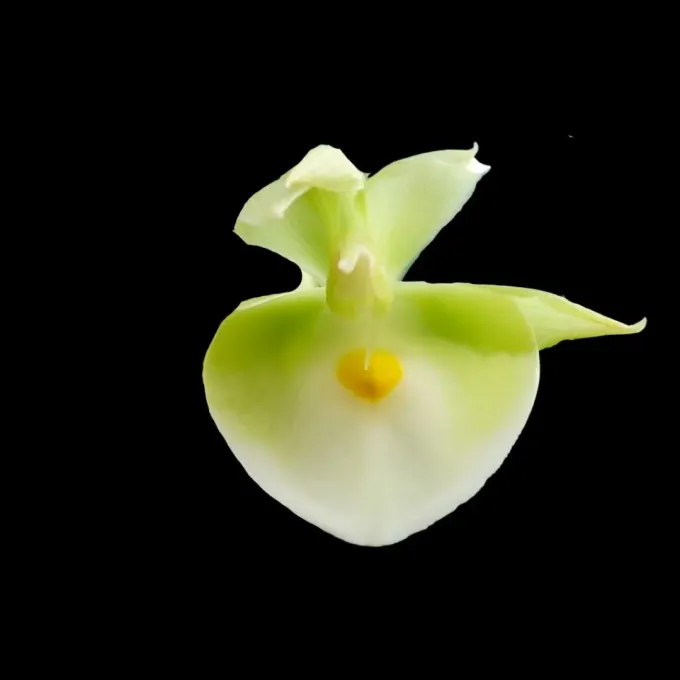
Description
Growing requirements
Catasetum pileatum is an epiphytic orchid species belonging to the Orchidaceae family. It is native to the tropical forests of Venezuela, Brazil, and Ecuador, where it typically grows on tree trunks and branches in areas with high atmospheric humidity.
Botanically, this species is defined by its robust, fleshy pseudobulbs that store water for survival during the dry season. The plant exhibits a sympodial growth habit, producing inflorescences that often bear large, showy, and fragrant flowers.
Environmental requirements for cultivation are strict. The species thrives in warm conditions, with daytime temperatures ideally ranging from +25°C to +30°C. Maintaining a consistent environment without drastic drops is essential for physiological health.
Light intensity must be significant for the plant to reach maturity and produce blooms. It prefers bright, filtered sunlight; exposure to direct tropical sun can damage the leaf tissue, while insufficient light leads to weak growth.
The substrate must prioritize drainage and aeration. A mixture of pine bark, charcoal, and perlite is commonly used to prevent moisture stagnation. Proper pot drainage is non-negotiable to ensure the roots remain healthy and well-oxygenated.
Main diseases and pests
The most severe threats to Catasetum pileatum are fungal and bacterial infections caused by poor ventilation and water accumulation. These pathogens can cause rapid rotting of the pseudobulbs, often leading to the death of the plant.
Common insect pests include spider mites and scale insects, which frequently attack the foliage. Their presence is often linked to dry ambient conditions and poor plant hygiene, requiring regular inspection and timely treatment.
Viruses represent a hidden threat, often showing symptoms such as yellow streaks or distorted leaf growth. Since there is no effective cure, infected plants must be isolated to protect the rest of the collection.
Root damage resulting from the use of degraded substrate is a common issue. As the bark breaks down over time, it becomes acidic and compacted, which hinders gas exchange and fosters the growth of harmful bacteria.
Effective management includes regular monitoring of plant vigor and the use of preventative treatments. Ensuring good air circulation around the root zone and canopy is the primary method of minimizing the risk of outbreaks.