
Catasetum macrocarpum
Catasetum macrocarpum
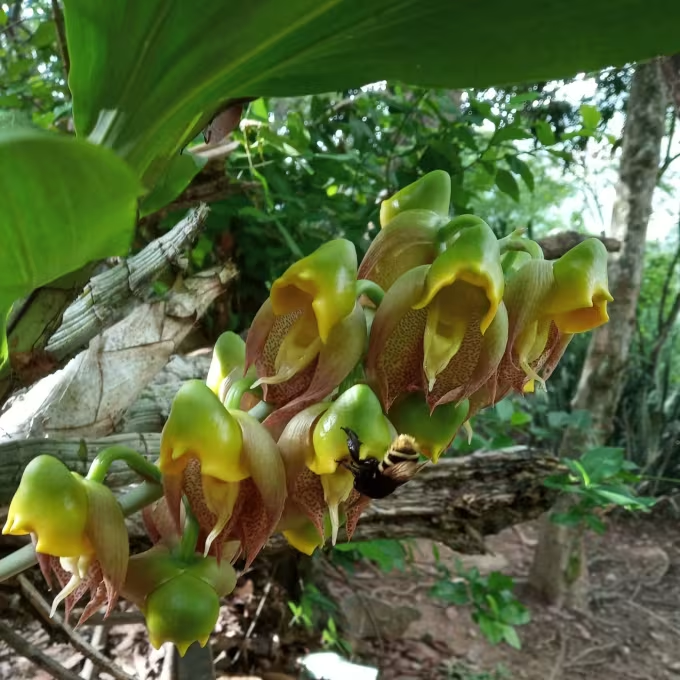
Description
Growing requirements
Catasetum macrocarpum belongs to the Orchidaceae family. It is an epiphytic species native to the tropical forests of South America, known for its distinct dimorphic growth habit and pseudobulb development.
The plant requires bright, diffused light to thrive. Direct sunlight should be avoided during the peak hours of the day to prevent leaf scorching, which can negatively affect the plant's overall energy storage.
Optimal temperature ranges from 22°C to 28°C during the active growing season. A cooler dormant period with temperatures between 16°C and 18°C is essential to trigger the development of inflorescences in the following season.
The growing medium must be highly porous. A mixture of pine bark, charcoal, and perlite is recommended to ensure adequate drainage and aeration for the extensive root system that develops during the growing phase.
Watering frequency is strictly seasonal. During the growing period, the plant needs consistent moisture, whereas in the dormant phase, watering must be suspended almost entirely until new vegetative shoots emerge.
Main diseases and pests
Spider mites are common pests that thrive in low-humidity environments. Regular inspection and maintaining appropriate humidity levels are the primary methods for preventing mite infestations in indoor cultivation.
Scale insects can also infest the pseudobulbs. These pests often hide under the leaf sheaths, making manual removal or systemic insecticides necessary for effective eradication and control.
Fungal rots, including black rot, are significant threats caused by excessive water and poor ventilation. Keeping the growing area well-ventilated is critical to maintaining the plant's health and vigor.
Bacterial infections can spread rapidly in cool, wet conditions. If signs of rot appear on the pseudobulbs, the affected areas should be removed immediately with a sterile tool to prevent systemic infection.
Routine use of preventative fungicides is recommended, especially during periods of high humidity. Ensuring high-quality airflow will significantly reduce the risk of both fungal and bacterial pathogens.