
Catasetum hybrid
Catasetum hybrids
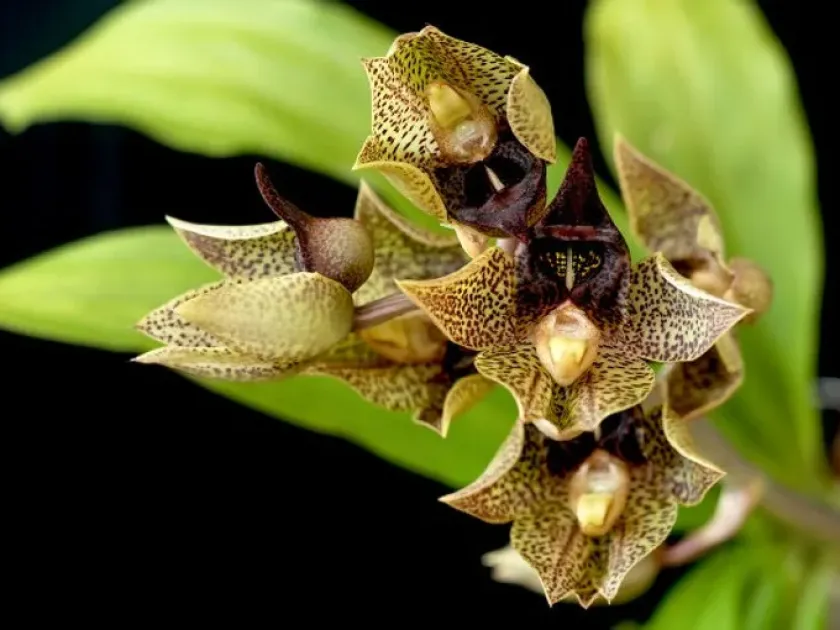
Description
Growing requirements
Catasetum hybrids are members of the Orchidaceae family, originating from the tropical climates of the Americas. These sympodial orchids are defined by their thick, spindle-shaped pseudobulbs that store water and nutrients, allowing the plant to thrive in regions with distinct wet and dry seasons.
Cultivation requires a high-light environment, often comparable to Cattleya orchids, to ensure proper bulb development. During the growing season, temperatures should range between +22°C and +30°C to simulate their natural tropical habitat and promote vigorous growth of new shoots.
The choice of substrate is critical for this crop. It must provide excellent aeration and drainage. Growers typically utilize high-quality bark mixes, often amended with perlite or charcoal to prevent compaction and ensure that the root system receives sufficient oxygen throughout the growing phase.
Watering requirements are strictly cyclical. During the active growing phase, plants require frequent watering and regular fertilization to support rapid pseudobulb development. However, once the leaves yellow and drop, watering must be suspended entirely to allow the plant to enter a dormant state.
These hybrids are highly valued for their unique, often complex floral structures and their ability to produce massive flower spikes. Their primary use is in specialized horticulture, where they serve as showpieces in tropical orchid collections and botanical research.
Main diseases and pests
Common pests affecting Catasetum hybrids include spider mites, which thrive in dry conditions, and scale insects that settle on the pseudobulbs or under the leaf bases.
Rot (bacterial and fungal) is the most significant threat, often induced by water trapped in the crown of the plant or in the substrate during periods of low light and cool temperatures.
Maintaining proper air circulation is essential to mitigate the risk of pathogen development. Fans or ventilation systems are standard equipment in professional greenhouse environments to prevent stagnant air pockets.
Regular sanitation of the growing area and the use of clean pots are fundamental requirements to prevent the spread of viral or bacterial infections between susceptible orchid specimens.
Monitoring for pest activity should occur weekly, particularly during the transition between the dormant and active growth stages, when plants are most susceptible to infestations.