
Catasetum gardneri
Catasetum gardneri
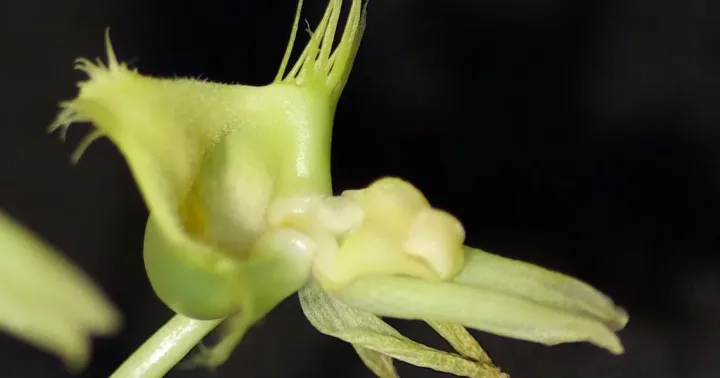
Description
Growing requirements
Catasetum gardneri is a remarkable species of orchid belonging to the Orchidaceae family, native to the tropical forests of Brazil. As an epiphyte, it has evolved specific growth habits that require careful replication in a controlled agricultural or home environment.
This culture requires bright, indirect light throughout its active growing season to support the development of its large, water-storing pseudobulbs. Providing sufficient light is essential for triggering the plant's unique flowering mechanism, which produces distinct male and female flowers.
The optimal temperature range for this species is between 22 and 28 degrees Celsius during the day, with a slight drop at night. Maintaining good ventilation is a vital component of its care, as stagnant air often leads to the development of fungal infections on the leaves.
For potting, a fast-draining substrate is mandatory to prevent root rot. A mixture comprising high-quality pine bark, perlite, and charcoal is widely recommended by growers to balance moisture retention with proper aeration for the root system.
Watering frequency should be high during the development of pseudobulbs, followed by a total withdrawal of water during the dormancy period. This seasonal cycle is essential for mimicking its natural habitat, allowing the plant to shed its leaves and prepare for the next flowering cycle.
Main diseases and pests
The most common pests affecting Catasetum gardneri are spider mites and scale insects. These pests thrive in dry environments and can quickly weaken the plant by feeding on the sap of its foliage and pseudobulbs.
Bacterial and fungal rots are the most common diseases, usually triggered by improper watering techniques or excessive humidity in the absence of air movement. Keeping the crown of the plant dry is a primary preventive measure for all growers.