
Catasetum imperiale
Catasetum imperiale
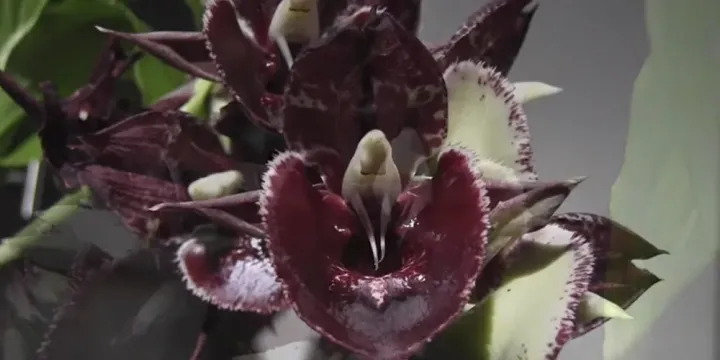
Description
Growing requirements
Catasetum imperiale is a unique member of the Orchidaceae family, originating from the tropical forests of South America where it grows as an epiphyte on tree branches.
This crop requires a distinct seasonal cycle, with active growth occurring when temperatures range between +22°C and +28°C and humidity is consistently high.
The root system is highly sensitive to substrate compaction; therefore, a loose mixture of pine bark, charcoal, and perlite is essential for optimal gas exchange.
Watering should be generous during the leaf-development phase but must be strictly reduced or ceased completely once the plant enters its dormancy period.
Adequate air circulation is mandatory, as it helps regulate transpiration rates and prevents the accumulation of pathogens on the pseudobulbs.
Main diseases and pests
Spider mites are the most common pest, thriving in the warm and relatively dry conditions that sometimes occur during improper maintenance cycles.
Bacterial soft rot can occur if water remains trapped in the center of new growths, leading to the rapid decay of the pseudobulb tissue.
Fungal infections, such as anthracnose, may manifest as dark spots on the foliage, often triggered by excessive moisture and poor light conditions.
Integrated pest management strategies involve using biological controls where possible, alongside targeted applications of fungicides during high-risk seasons.
Sanitation of the growing environment, including regular cleaning of shelves and pots, is the primary line of defense against both pests and pathogens.