
Catasetum integerrimum
Catasetum integerrimum
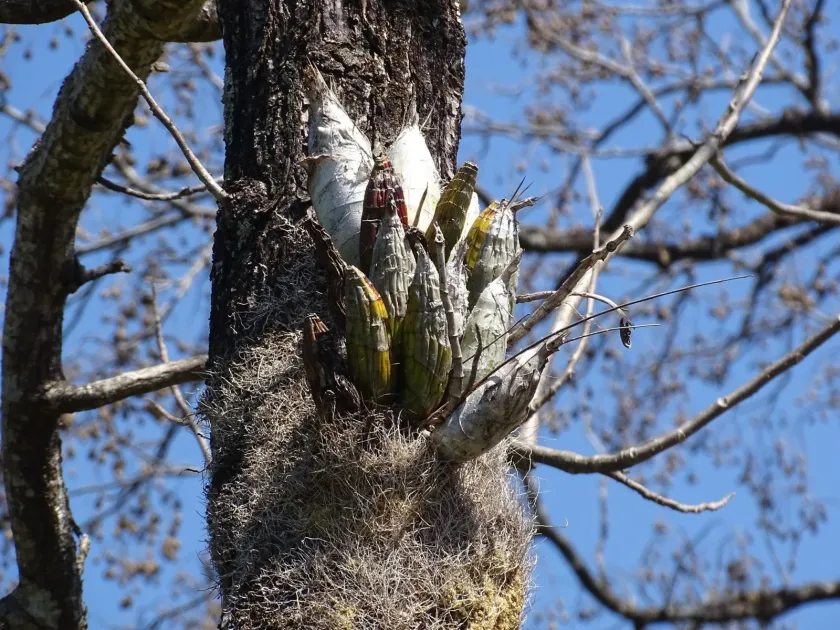
Description
Growing requirements
Catasetum integerrimum is a prominent member of the Orchidaceae family, native to the tropical regions of Mexico and Central America. It is highly regarded by collectors for its unique botanical structure and scent, functioning as an epiphyte in its natural habitat.
The cultivation of this species requires a deep understanding of its seasonal cycles. During the active growth period, it demands high light intensity, which is crucial for the development of robust, plump pseudobulbs capable of producing multiple inflorescences.
The substrate must provide excellent drainage. A mix comprising coarse pine bark, charcoal, and perlite is generally recommended to allow air circulation around the root system, which is essential to prevent root asphyxiation and rot.
Temperature management follows a strict pattern. The plant thrives in warm, humid conditions during the growing season, typically between 20°C and 30°C, followed by a significantly cooler and drier dormancy period to ensure proper flowering.
Watering frequency should be high when the plant is in full growth. However, moisture levels must be reduced drastically during the winter months when the foliage is shed and the plant enters a period of rest to prevent tissue decay.
Main diseases and pests
Spider mites are the most common pest, especially in dry environments. They tend to settle on the undersides of leaves, causing chlorosis and a general decline in the health of the plant if left unchecked by integrated pest management.
Soft rot, caused by various bacteria, is a lethal threat, particularly when stagnant water enters the leaf axils. Maintaining adequate air movement around the leaves is the most effective preventative measure against such pathogens.
Scale insects can be difficult to remove once they establish a colony on the pseudobulbs. Regular scouting and immediate intervention with organic oils or systemic insecticides are required to manage these infestations effectively.
Fungal infections, such as black spot, may occur if the plant is exposed to excessive humidity and low temperatures simultaneously. These conditions create an ideal environment for pathogen proliferation on leaves.
Strict adherence to sanitation protocols is vital. All tools should be sterilized between plants to avoid the mechanical transmission of viruses and bacteria, which can be catastrophic in a mixed orchid collection.