
Catasetum tenebrosum
Catasetum tenebrosum
Description
Growing requirements
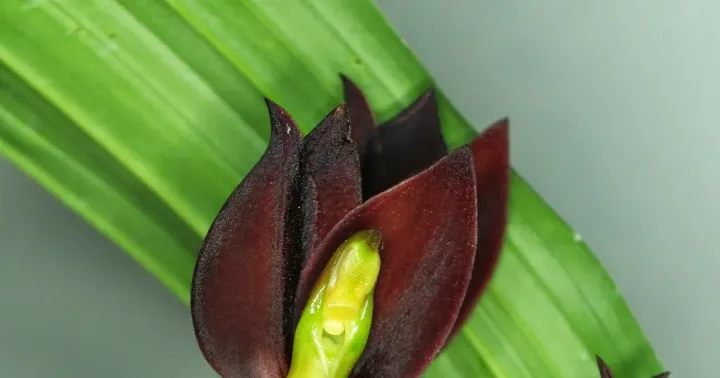
Catasetum tenebrosum is a fascinating species of the Orchidaceae family, native to the tropical forests of Ecuador and Peru. This epiphytic orchid is well-regarded by collectors for its unique, dark, and fragrant flowers.
The plant grows from thick, spindle-shaped pseudobulbs that store water and nutrients, which is an essential adaptation for the dry season in its natural habitat. The foliage is deciduous, shedding its leaves annually as the plant enters a period of dormancy.
The cultivation requirements focus on providing high light intensity without direct scorching sun. Proper airflow is critical to prevent heat buildup and ensure healthy gas exchange during the active growing season.
Potting media should consist of coarse pine bark, charcoal, and perlite to ensure rapid drainage. The root system is sensitive to waterlogging, so the use of breathable pots, such as net pots or specialized plastic containers with side slits, is highly recommended.
Temperature management requires warm days, typically between 22 and 28 °C, and significantly cooler nights to trigger natural physiological processes and successful blooming.
Main diseases and pests
Fungal infections and rot are the primary threats to this orchid, usually caused by improper watering techniques or poor ventilation. The base of the pseudobulbs is particularly susceptible if moisture remains trapped in the leaf axils for extended periods.
Spider mites are common pests that thrive in dry environments and target the leaves, causing chlorosis and weakening the plant. Regular misting or the use of humidifiers can help mitigate these infestations.
Pest management protocols involve the application of horticultural oils or systemic insecticides, but care must be taken to avoid damaging the delicate tissues of the plant. Always perform a spot test before broad application.
In cases of bacterial rot, immediate surgical removal of infected tissue followed by the application of antiseptic agents is necessary to save the specimen.
- Monitor for discoloration on pseudobulbs.
- Maintain consistent but drying-out watering intervals.
- Isolate affected plants immediately upon symptom detection.
- Disinfect tools between maintenance sessions.
- Ensure adequate ventilation in the growing area.