
Catasetum longifolium
Catasetum longifolium
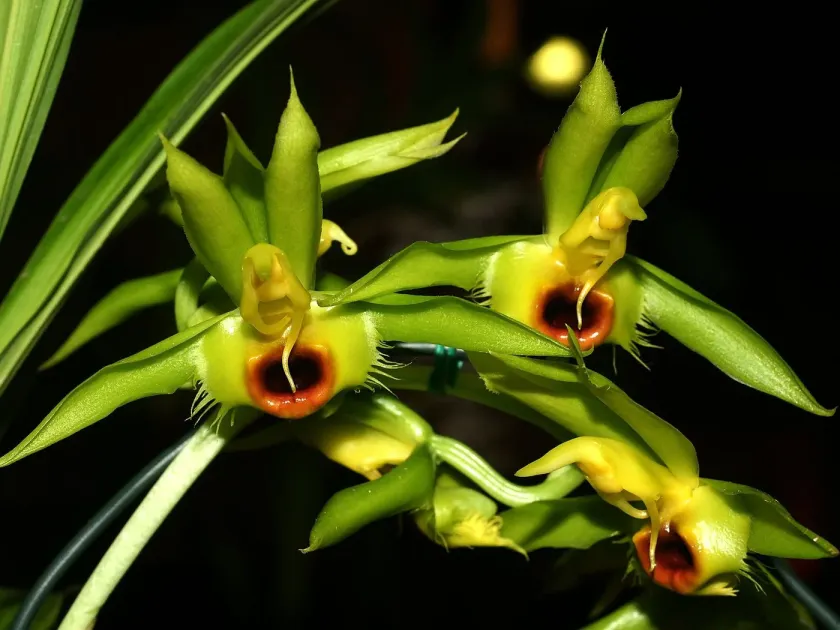
Description
Growing requirements
Catasetum longifolium is a unique species belonging to the Orchidaceae family. Naturally occurring as an epiphyte in the tropical regions of South America, this plant is highly valued for its distinct morphology and impressive inflorescences.
Botanically, the species is characterized by long, cylindrical pseudobulbs and slender, elongated leaves that display a prominent venation pattern. These features require specific horticultural practices to ensure the plant thrives in a controlled environment.
Climate requirements include high humidity levels and a consistent temperature range, typically between 22°C and 28°C. Maintaining good air circulation is essential, as stagnant air often leads to physiological stress and pathogen development.
For substrate, an open, airy mix is required. Growers typically use a blend of fir bark, charcoal, and perlite, which ensures rapid drainage while maintaining enough moisture to support the epiphytic root system without waterlogging.
Light intensity should be high but indirect. During the active growing season, regular fertilization is recommended, whereas during the dormancy period, when the plant sheds its leaves, watering should be significantly reduced.
Main diseases and pests
Common pests include spider mites and scale insects, which often target the underside of leaves. Integrated pest management using insecticidal soaps or neem oil is usually effective if caught early enough.
Fungal rots are the most common cause of failure in this species. These are usually induced by poor drainage, overly fine substrates, or water trapped in the crown of the plant during cooler hours.