

NORVEL, K.E.
Санрайз Кемікалз Ко. Лтд., Шанхай, Китай
Herbicides
0
0
·
73
3 offers
0.65 €per 1 l
Buy
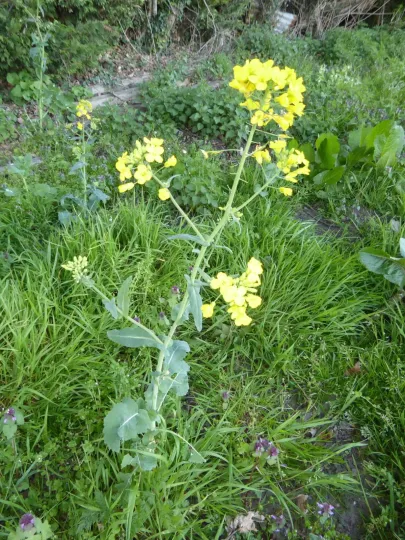
Winter rapeseed (Brassica napus L.) belongs to the Brassicaceae family and is a globally significant oilseed crop. The optimal sowing window occurs from late August to early September, which allows plants to develop a robust rosette of 6–8 leaves before the onset of winter dormancy.
Delayed sowing results in poor development of the root neck and low winter hardiness, while premature sowing leads to overgrown plants, significantly increasing the risk of the growing point freezing. It is essential to maintain a seeding depth of 2–3 cm, depending on soil type and moisture levels.
Seeding rates are determined based on the target stand density, typically aiming for 40–60 plants per square meter before winter. High-quality seedbed preparation is mandatory to ensure uniform and simultaneous germination across the field.
In regions with dry autumns, sowing should be conducted immediately after soil tillage to maximize the use of residual moisture. Using treated seeds helps protect the crop from soil-borne pathogens during the initial development stages.
Strict adherence to crop rotation is a critical factor: it is recommended not to return rapeseed to the same field for at least 4 years to prevent the accumulation of specific soil-borne infections.
Winter rapeseed is highly demanding regarding soil fertility and mineral nutrition. It thrives in well-structured chernozems, sod-podzolic, and gray forest soils with a neutral or slightly acidic pH level.
The crop has a high demand for nitrogen, phosphorus, potassium, and especially sulfur, which is essential for oil formation and effective nitrogen metabolism. Sulfur deficiency can lead to significant yield reductions.
Temperature patterns during autumn must favor the development of a deep root system, capable of penetrating up to 1 meter into the soil. Winter hardiness depends directly on the accumulation of sugars within the root neck tissue.
The crop does not tolerate waterlogging or standing water, necessitating proper field drainage and surface leveling. Excessive soil acidity inhibits growth, making liming an essential agronomic practice in acidic regions.
Adaptation to local climates is ensured through the selection of hybrids with high winter hardiness and the physiological ability to quickly resume vegetation as soon as temperatures rise in early spring.
The economic utility of winter rapeseed is multifaceted: the primary product is seed containing up to 45–50% oil and 25% protein. The oil serves both the food industry and the biofuel sector as high-value raw material.
Rapeseed meal, the byproduct of oil extraction, is a high-protein supplement for livestock and poultry diets. Modern low-erucic acid and low-glucosinolate varieties allow for versatile use of these products without nutritional limitations.
Yields of winter rapeseed can reach 4–5 tonnes per hectare under intensive management. The actual yield is highly dependent on seasonal weather conditions and the timeliness of agronomic and protective interventions.
Rapeseed biomass is characterized by high nutritional value and is frequently utilized for high-quality silage or haylage. In some systems, rapeseed is grown as a green manure crop to improve soil structure and organic matter content.
The genetic potential of modern hybrids is high, but realizing it requires an advanced level of farming, precise fertilizer application schedules, and integrated pest management strategies.
Protection strategies involve monitoring and controlling a wide range of pathogens and insects. Notable diseases include Alternaria, Anthracnose, Verticillium wilt, Rhizoctonia, Sclerotinia, Pythium root rot, gray mold, and southern blight.
Key insect pests include the acacia moth, cabbage white butterfly, pea weevil, brown-tail moth, San Jose scale, meadow moth, sawflies, and stem weevils. Cruciferous flea beetles pose a severe threat to seedlings.
Sclerotinia is the most destructive disease, capable of wiping out up to 30–50% of the yield under warm, humid conditions during flowering. Prophylactic fungicide application during the budding stage is recommended.
Controlling stem weevils requires preventive insecticide spraying during the stem elongation phase, as the larvae of these pests cause irreparable damage to the plant's reproductive organs.
Harvesting winter rapeseed is a critical operation requiring the selection of optimal timing. Direct combining is performed when seed moisture drops to 12–15% and seeds turn black or dark brown.
In cases of uneven ripening or high weed pressure, desiccation is often applied to speed up plant dry-down and minimize harvest losses. Prevention of premature pod shattering is a priority.
Combines should be equipped with rapeseed headers and extended side knives for efficient cutting of high-biomass crops. Cutting height should be set to collect as many pods as possible without harvesting excess stems.
Harvested seeds require immediate cleaning and drying to a baseline moisture content of 7–8%. Storing wet seeds is not permitted due to the high risk of self-heating and rapid oil quality degradation through fat hydrolysis.
Efficient logistics during the harvest window prevent machinery downtime and reduce losses that occur when the crop is left standing too long in the field.


