
Kale
Brassica oleracea L. convar. botrytis (L.) Alef.
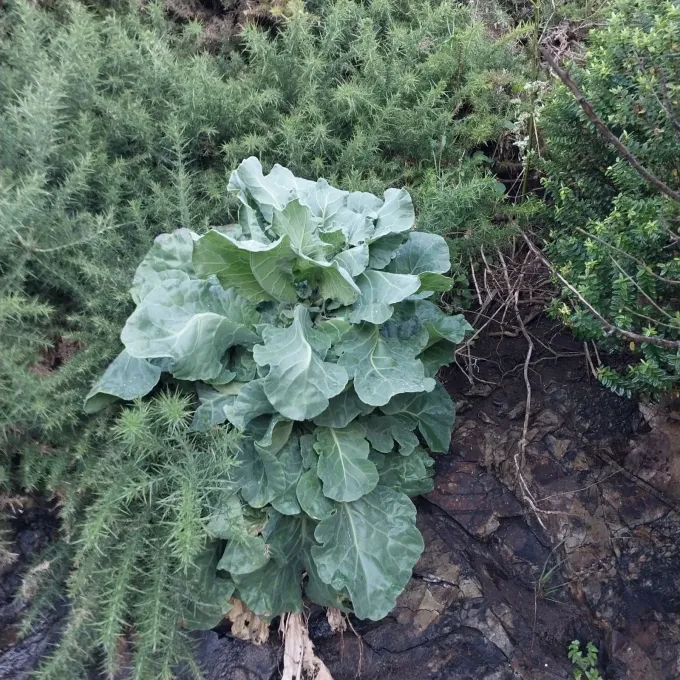
Description
Sowing dates
Kale is a cool-weather crop that can be sown directly into the soil in early spring as soon as the ground is workable, typically when temperatures reach 10°C. For an earlier start, seeds can be started indoors in trays 4–6 weeks before the last frost date.
A second sowing for an autumn harvest should be done in mid-to-late summer. Kale thrives in cooler temperatures, and sowing at this time allows the plants to mature during the crisp autumn months, resulting in a sweeter, more tender leaf quality.
Seeds should be planted 1 to 2 cm deep, spacing plants about 45 cm apart to ensure adequate airflow. Proper spacing is essential to reduce the humidity around the foliage, which helps in preventing fungal infections and promoting vigorous growth.
Rotating kale with non-brassica crops is essential for maintaining soil health and preventing the buildup of soil-borne pathogens. A minimum three-year rotation cycle is highly recommended for all cruciferous vegetables.
For a continuous supply of fresh greens, sow small batches of seeds every two to three weeks. This practice ensures a steady harvest throughout the growing season, preventing a glut of produce that cannot be consumed immediately.
Growing requirements
Kale prefers well-drained, fertile soil rich in organic matter, with a pH level between 6.5 and 7.5. It performs best in areas with full sun exposure, although it can tolerate partial shade, especially in hotter climates.
Consistent soil moisture is critical for kale production. Mulching around the plants helps to retain moisture in the soil, suppresses weeds, and maintains a stable root temperature during warmer days.
The crop is highly cold-hardy and can withstand temperatures well below freezing. In fact, light frosts are beneficial as they trigger the plant to convert starches into sugars, which significantly enhances the flavor of the leaves.
Nitrogen-rich fertilizers or well-rotted compost applied during the planting phase and periodically throughout the growing season will boost leaf production. Avoid excessive nitrogen late in the season to prevent weak, succulent growth.
Regular cultivation of the soil around the base of the plant, combined with hilling, helps to support the growing stalk. This practice prevents the plant from toppling over as it matures and develops a larger canopy of leaves.
Main diseases and pests
Flea beetles are the most frequent pests, particularly on young kale seedlings. They create tiny, shot-like holes in the leaves, which can stunt early development. Floating row covers are an effective mechanical barrier against these pests.
Cabbage worms and loopers can cause significant damage by consuming large portions of the leaves. Manual removal of larvae and eggs is the first line of defense; if infestation is heavy, organic options like Bacillus thuringiensis can be used.
Clubroot is a serious soil-borne disease that causes gnarled, swollen roots and stunted plant growth. Maintaining a proper soil pH through liming is the most effective preventative measure against this pathogen.
Downy mildew may occur in damp, humid conditions, appearing as yellow patches on the foliage. Improving plant spacing to ensure better air circulation is the best management strategy to minimize the risk of outbreaks.
Aphids often target the underside of the leaves, where they suck sap and stunt growth. A strong stream of water or insecticidal soap sprays are generally effective in managing aphid populations without harming beneficial insects.
Harvesting
Harvesting kale is typically done by picking individual outer leaves starting from the bottom of the plant. This method, often called the "cut-and-come-again" technique, allows the plant to continue growing from its center terminal bud.
For the best texture, harvest leaves when they reach the desired size but before they become overly large and leathery. Younger leaves are more tender and suitable for raw consumption in salads, while older leaves are better for cooking.
The harvest period can extend well into winter in many regions. Kale is one of the few vegetables that can be harvested fresh from the garden even when covered in snow, provided the plants are well-established.
When cutting the leaves, use a sharp, sterilized knife to make clean incisions close to the main stem. This reduces the risk of tissue damage and prevents the introduction of secondary infections to the plant.
Once harvested, kale is highly perishable. For optimal storage, place the leaves in a perforated plastic bag in the refrigerator, where they will remain crisp for several days. For long-term preservation, kale can be blanched and frozen.