
Tronchuda cabbage
Brassica oleracea L. (Tronchuda Group)
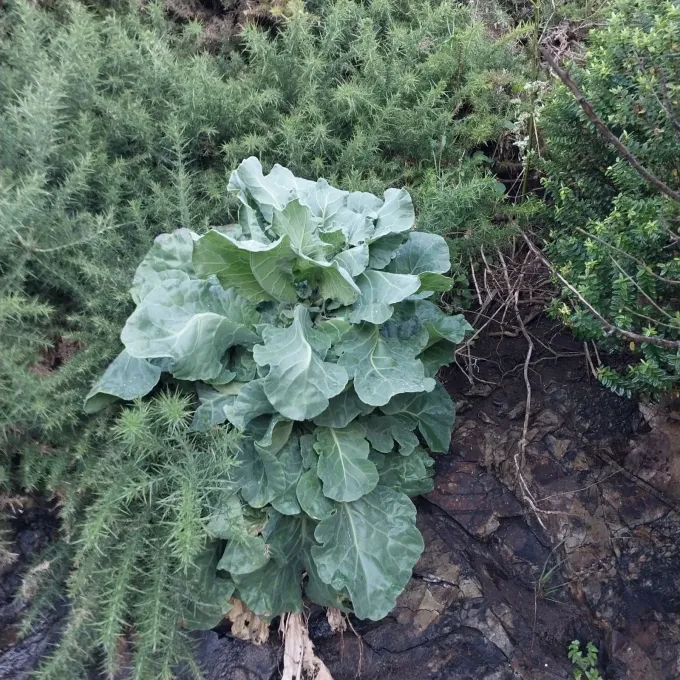
Description
Sowing dates
Tronchuda cabbage is typically started from seeds in nursery trays to ensure healthy seedling development before transplanting. Sowing is usually carried out in early spring, approximately 6 to 8 weeks before the last expected frost in the region.
The seeds require a warm, well-drained medium for optimal germination. Maintaining a temperature of about +18 to +20 degrees Celsius is ideal for uniform emergence, which usually occurs within 7 to 10 days after sowing in the substrate.
Once the seedlings develop their first true leaves, they should be thinned or transplanted into individual pots to encourage robust root growth. This preparation phase is crucial for the plant's ability to thrive once moved to the open field.
Field transplanting occurs when the seedlings have at least 4 to 5 well-developed leaves and the soil has sufficiently warmed up. Spacing is essential for this variety, with plants typically placed at intervals of 50–60 cm to allow for full expansion.
For a continuous harvest, gardeners may choose to perform successive sowings throughout the growing season. This ensures a steady supply of fresh, tender leaves rather than harvesting everything at once during the peak period.
Growing requirements
Tronchuda cabbage thrives in fertile, well-drained loamy soils rich in organic matter. A neutral to slightly alkaline soil pH is preferred; if the soil is too acidic, liming should be performed well in advance of the planting season.
Full sun is necessary for the best growth, as the plant needs significant light energy to produce its characteristic large, succulent leaves. While it can tolerate partial shade, productivity and leaf quality are significantly higher in open, sunny locations.
Consistent moisture is the key to quality production. The soil should remain evenly moist throughout the growing period, but waterlogging must be avoided to prevent root rot, which can quickly devastate a crop.
The ideal temperature range for this leafy green is between +15 and +22 degrees Celsius. Extreme heat can cause the leaves to toughen, and the plant may bolt prematurely, diverting energy from leaf production to flower formation.
Regular fertilization with nitrogen-based nutrients supports the intensive leaf growth characteristic of this cultivar. Composted manure or balanced organic fertilizers incorporated into the soil provide a stable nutrient base for the season.
Yield
The yield of Tronchuda cabbage is highly dependent on the harvesting method. By removing only the outer, fully mature leaves, the plant continues to produce new foliage from the central apical bud, allowing for a long and productive season.
Under optimal management, including proper spacing and frequent water availability, a single plant can provide several kilograms of edible leaf mass over a period of several months, making it highly efficient for home gardens.
When grown in professional farming systems, yield rates are consistently high, often exceeding 30 tons per hectare. Success relies on selecting vigorous, disease-resistant varieties and ensuring that pest control is handled preemptively.
Because the stems and midribs are also edible and tender, they contribute significantly to the total edible yield of the plant. This characteristic makes the variety distinct from other leafy greens that offer only blade mass.
The plant's ability to regenerate after partial harvests allows for a flexible harvesting schedule that adapts to the needs of the grower, whether it is for daily personal use or scheduled market sales.
Main diseases and pests
Flea beetles are a primary threat during the seedling stage, often causing "shot holes" in the foliage. Preventive measures such as row covers are effective in keeping these small insects away from young, vulnerable plants.
Aphids can colonize the undersides of leaves, particularly in hot and dry weather. Regular inspection of the crop is necessary to detect infestations early and manage them with biological controls like soap sprays or beneficial predatory insects.
Clubroot is a serious soil-borne disease that causes swelling in the roots and stunted plant growth. Once a field is infected with the spores, it is very difficult to clear, which is why a rigorous crop rotation cycle is mandatory.
Downy mildew may appear under conditions of high humidity, manifesting as yellowish lesions on the leaf surface. Good plant spacing and ensuring foliage remains dry are the most effective ways to reduce the incidence of this fungal issue.
Large caterpillars, such as those of the cabbage white butterfly, can quickly strip leaves. Manual removal of larvae or eggs in the early stages is a reliable and safe method of pest control for small-scale cultivation.
Harvesting
Harvesting begins approximately 8–10 weeks after transplanting when the plant has developed a sufficient number of large, sturdy leaves. It is a selective process, focusing on the lower leaves that have reached their full commercial size.
Care should be taken during the cutting process to avoid damage to the stem. Using a sharp knife or clean pruning shears ensures that the wounds heal quickly and prevents the entry of pathogens into the living tissue.
Harvesting is ideally performed in the early morning when the leaves are turgid and have the highest moisture content. This improves their texture and significantly extends their shelf life after harvest.
After collection, the produce should be placed in a cool environment, protected from direct sunlight and wind to prevent wilting. Proper cooling is essential to maintaining the high nutritional value and freshness of the greens.
At the end of the season, when growth slows down, the entire plant can be harvested. Many growers prefer the flavor after a light frost, as the cold temperatures can slightly increase the sugar content in the leaves.