
Sarepta mustard
Brassica juncea (L.) Czern. subsp. integrifolia (H. West) Thell. var. integrifolia (H. West) Sinskaya
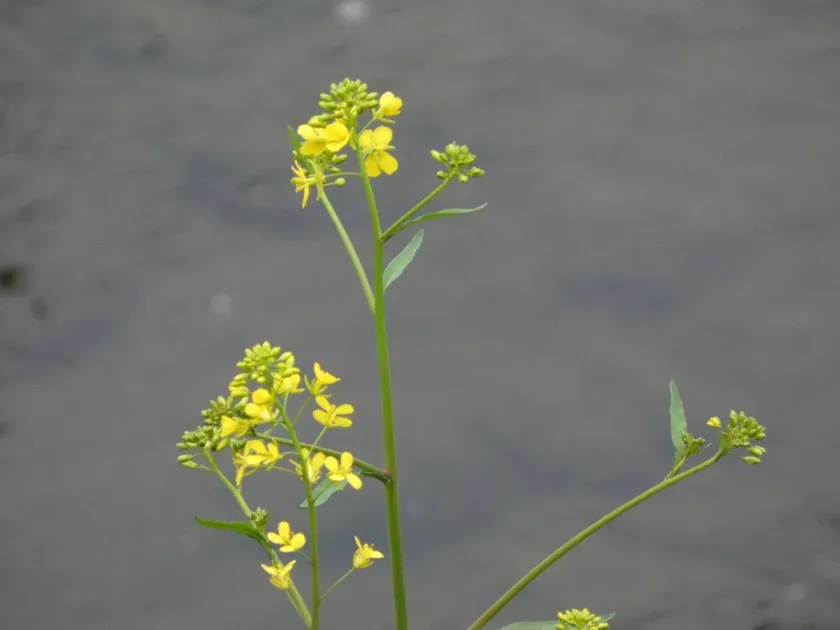
Description
Sowing dates
Sarepta mustard is typically sown early in the season. The optimal timing for planting is when the soil at the seeding depth warms up to 5–8 degrees Celsius.
Sowing too early in cold soil can delay germination, leaving the crop vulnerable to flea beetles during its slow initial growth phase. Conversely, delayed sowing can result in poor establishment due to moisture loss.
The seeding rate is determined by the sowing method and soil fertility. Farmers generally use row or narrow-row drilling to ensure a target density of 1.5 to 2 million viable seeds per hectare.
Seeds are usually planted at a depth of 2 to 4 centimeters. On lighter, sandier soils, a slightly deeper planting depth is sometimes preferred to reach consistent soil moisture levels.
A well-prepared, fine-textured seedbed is crucial for uniform germination. Establishing good soil-to-seed contact is essential for the crop to capitalize on early spring moisture.
Growing requirements
As a long-day plant, Sarepta mustard is highly cold-hardy and can withstand light spring frosts without suffering significant damage to its vegetative growth.
The crop thrives in fertile soils, particularly chernozems and chestnut soils with a neutral or slightly alkaline pH. It generally performs poorly in acidic, waterlogged, or saline conditions.
Mustard is highly responsive to nitrogen and phosphorus fertilizers, which are essential for maximizing seed yield and oil content. Proper nutrient management is key to profitable production.
Crop rotation is vital for success; mustard should not follow other brassicas, such as rapeseed or cabbage, to prevent the buildup of soil-borne pathogens and common pests.
In arid regions, post-sowing rolling is a standard practice. This helps draw moisture upward to the seed zone, promoting faster and more reliable seedling emergence.
Yield
Yields of Sarepta mustard can vary significantly depending on climatic conditions and management practices, typically ranging from 1.5 to 2.5 tonnes per hectare in favorable years.
The use of high-yielding varieties combined with intensive agronomic practices can push yields higher. Weather conditions during flowering and grain-filling stages remain the biggest external variables.
Early-season weed control is critical for maximizing productivity. Since mustard grows slowly in its early stages, keeping fields clean is necessary to minimize resource competition.
Balanced soil nutrition not only drives yield potential but also improves the technical quality of the oil extracted from the seeds, meeting the demands of the food industry.
Harvesting is performed when the seeds reach full maturity. Monitoring moisture levels is essential; harvesting should occur when moisture drops to 12–14 percent to avoid pod shattering and seed loss.
Main diseases and pests
Common pests include flea beetles, pollen beetles, and cabbage aphids. These insects can cause substantial damage during the seedling and budding stages, severely limiting potential yields.
Key diseases affecting the crop include downy mildew (peronospora) and alternaria leaf spot. These are more prevalent in humid conditions and particularly in overly dense stands.
Insecticide applications are used to manage pest populations during critical periods. It is vital to adhere to pre-harvest intervals to ensure the final product is safe for consumption.
Disease prevention involves using treated seeds, maintaining spatial isolation from other cruciferous crops, and controlling host weeds that may harbor pathogens or viruses.
Integrated pest management strategies are highly recommended to ensure sustainable yields while maintaining high-quality seed output that meets international processing standards.