
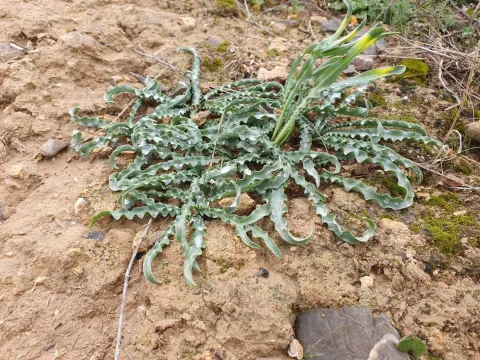
Drimia
Drimia
Drimia is a genus of perennial bulbous plants belonging to the Asparagaceae family. These plants are characterized by fleshy, often large bulbs that store water and nutrients, allowing them to survive in harsh environmental conditions. The genus includes various species, many of which were historically classified under the name Urginea.
What the section contains
 Drimia
 hybrids
Drimia
Drimia hybrids
 Drimia altissima
Drimia altissima
Drimia altissima
 Drimia anomala
Drimia anomala
Drimia anomala
 Drimia ciliata
Drimia ciliata
Drimia ciliata
 Drimia fugax
Drimia fugax
Drimia fugax
 Drimia glaucescens
Drimia glaucescens
Drimia glaucescens
 Drimia haworthioides
Drimia haworthioides
Drimia haworthioides
 Drimia indica
Drimia indica
Drimia indica
 Drimia namibensis
Drimia nana
Drimia nana
Drimia namibensis
Drimia namibensis
Drimia nana
Drimia nana
 Drimia platyphylla
Drimia platyphylla
Drimia platyphylla
 Drimia purpurascens
Drimia purpurascens
Drimia purpurascens
 Drimia sanguinea
Drimia sanguinea
Drimia sanguinea
 Drimia sphaerocephala
Drimia sphaerocephala
Drimia sphaerocephala
 Drimia uniflora
Drimia uniflora
Drimia uniflora
 Nocturnal Drimia
Drimia noctiflora
Nocturnal Drimia
Drimia noctiflora
 Sea squill
Drimia maritima
Sea squill
Drimia maritima
Drimia
The origin of Drimia is traced back to arid and semi-arid regions of Africa, as well as the Mediterranean basin. These plants have evolved to thrive in well-drained, sandy soils and can tolerate high levels of solar radiation, making them naturally adapted to climates with distinct dry seasons.
Agrotechnical management requires precise irrigation scheduling. It is essential to strictly reduce or cease watering during the dormant period to prevent bulb rot. Cultivation usually takes place in greenhouses or specialized nurseries in temperate climates to protect the bulbs from excessive winter humidity and frost.
Propagation is primarily achieved through offsets of the mother bulb or by planting fresh seeds. A light, porous substrate with excellent aeration is crucial for root health. Seedlings or young bulbs should be kept in well-ventilated areas to ensure healthy growth and development of the root system.
In terms of agricultural and industrial use, Drimia is valued for its bioactive compounds, particularly cardiac glycosides. Certain species are harvested as raw material for the pharmaceutical industry, while others serve as ornamental plants in rock gardens or desert-themed landscapes due to their unique spike-like inflorescences.
The most significant threats to Drimia cultivation are fungal pathogens, specifically those causing bulb rot and fusarium wilt. These conditions are almost exclusively triggered by waterlogged, anaerobic soil environments.
Common pests include spider mites and scale insects that feed on the succulent foliage. In rare cases, bulb mites can cause significant damage to the root system, leading to stunted growth or total plant failure if left untreated.