
Drimia ciliata
Drimia ciliata
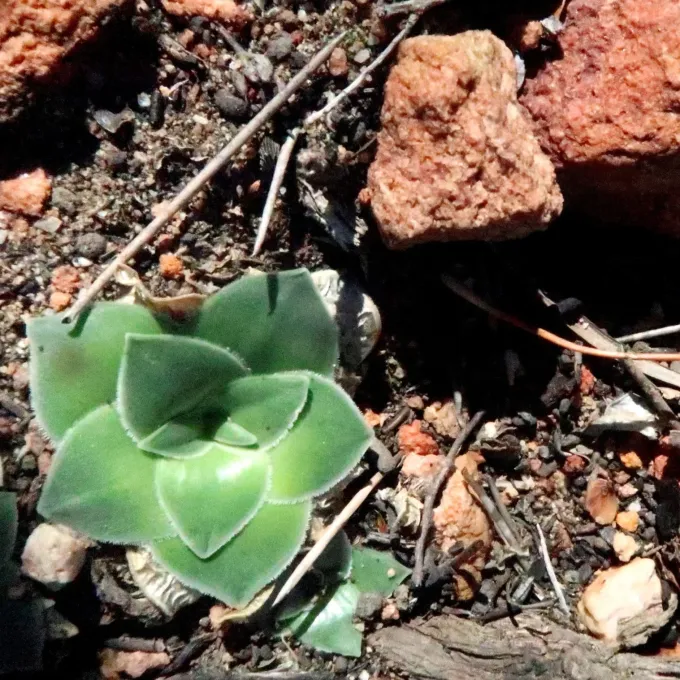
Description
Growing requirements
Drimia ciliata is a perennial bulbous plant belonging to the Asparagaceae family. It is a highly specialized species that thrives in the unique environmental conditions of its native southern African range.
In its natural habitat, the plant is typically found on rocky slopes where the soil is gritty and fast-draining. Cultivation requires mimicking these conditions by providing a mineral-rich, porous growing medium to prevent moisture retention.
Light intensity is a critical factor for the healthy development of Drimia ciliata. It requires full sunlight to stimulate the growth of its distinctive leaves and to initiate the flowering process during the appropriate cycle.
Water management is the most important aspect of its agrotechnology. During the growing season, regular but moderate watering is necessary, while the dormant period requires nearly complete dryness to ensure the bulb's survival.
The plant is highly valued by collectors and specialists in xerophytic flora. When properly maintained, it demonstrates strong resilience and a unique aesthetic appeal that is suitable for greenhouse cultivation in various climates.
Main diseases and pests
The primary threats to Drimia ciliata are fungal diseases, particularly those related to soil moisture levels. Root rot and basal rot are common issues if the drainage system fails to function properly.
Pests such as spider mites and bulb mites represent a significant risk. These organisms can quickly colonize the plant's tissues, leading to reduced vigor and, in severe cases, the eventual death of the bulb.
In humid or poorly ventilated greenhouse environments, powdery mildew can emerge on the leaf surfaces. Good air circulation is essential to prevent the spores from colonizing the plant during cooler spells.
Nematodes are another silent threat that can damage the root system. Using sterilized potting mix and avoiding contaminated water sources is the best way to keep these microscopic pests under control.
Regular monitoring of plant health, especially during the transition from the growing to the dormant phase, is vital for success. Early identification of symptoms allows for targeted and effective intervention.