
Disporopsis
Disporopsis
Description
Growing requirements
Disporopsis is a genus of perennial rhizomatous herbs belonging to the family Asparagaceae. Native to the forest regions of East Asia, including China and Vietnam, these plants have evolved as shade-loving woodland dwellers that thrive in low-light environments.
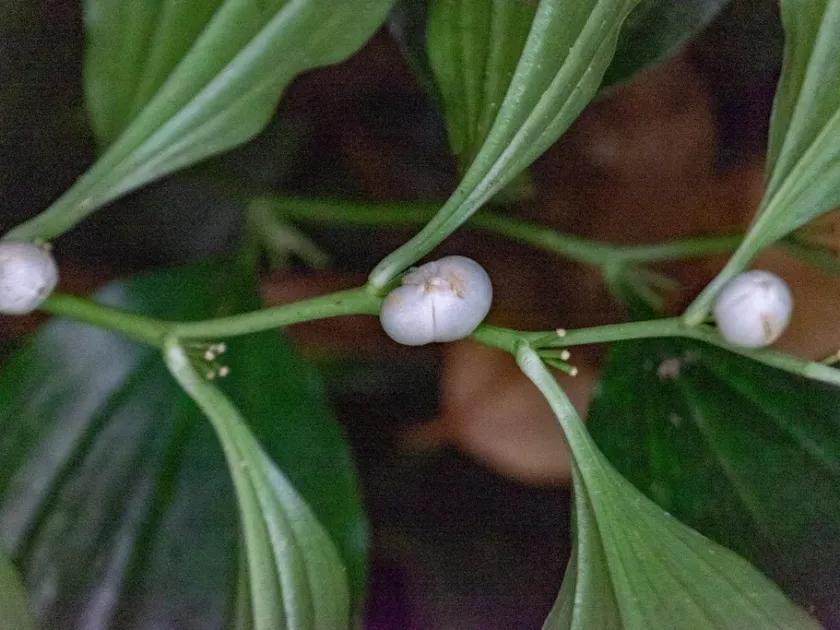
The botanical structure of the plant is characterized by arching stems and alternate leaf arrangement, which gives it a graceful, delicate appearance. Its root system consists of creeping rhizomes that allow the plant to spread effectively, creating lush ground cover in suitable habitats.
For successful cultivation, Disporopsis requires shaded or semi-shaded locations protected from harsh, direct sunlight. The soil must be rich in organic matter, loose, and well-drained, as the rhizomes are sensitive to waterlogging which can trigger decay.
Climatic requirements for the plant include moderate temperatures and relatively high air humidity. In temperate regions, providing winter protection is often necessary as the plant is sensitive to severe frost, which can damage its vegetative organs if not properly insulated.
The primary use of Disporopsis is ornamental gardening. It is highly valued in landscape design for its ability to brighten up dark corners of the garden with its elegant foliage and subtle, pendulous, bell-shaped flowers that bloom in the leaf axils.
Main diseases and pests
The main threats to Disporopsis cultivation involve fungal infections, particularly root rot, which occurs when the soil remains too wet for extended periods. Ensuring proper soil drainage is essential for maintaining the health of the plant's rhizomatous system.
Slugs and snails are the most significant pests, as they are attracted to the succulent new growth of the plant during the spring season. Protecting the young leaves is crucial for preserving the plant's aesthetic appeal throughout the year.
Aphids can also pose a problem, especially during warm, dry spells, as they feed on the young shoot tips. Integrated pest management, including regular monitoring and the use of insecticidal soap, can help control aphid populations effectively.
Disease prevention also relies on cultural practices such as maintaining proper spacing between plants to ensure good airflow. This reduces the humidity around the foliage and minimizes the risk of powdery mildew or leaf spot infections.
Regular maintenance, including the removal of debris and dead foliage, helps in managing potential disease outbreaks. By following these agrotechnical steps, growers can ensure the longevity and vitality of their Disporopsis plantings.