
Drimia anomala
Drimia anomala
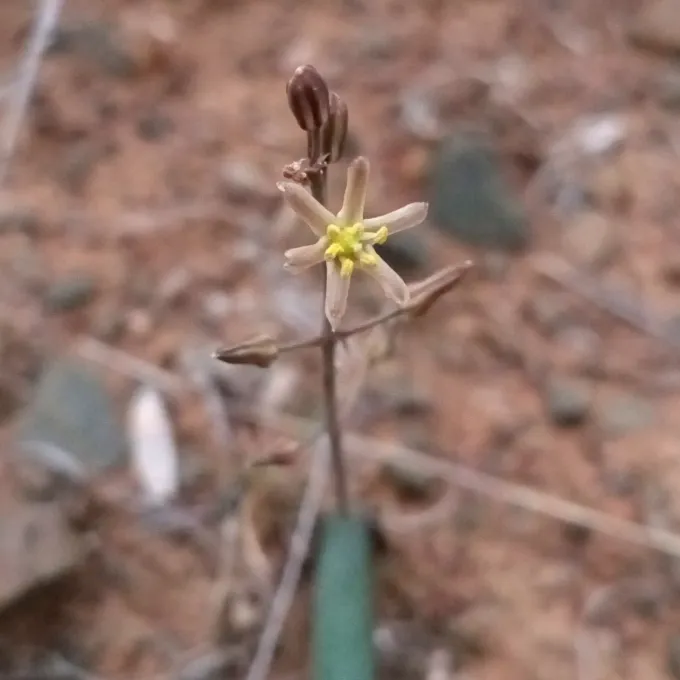
Description
Growing requirements
Drimia anomala is a perennial bulbous plant belonging to the Asparagaceae family. Native to the arid regions of Southern Africa, this species has evolved to thrive in environments with distinct seasonal cycles of moisture and drought.
Botanically, the plant develops a small, often partially submerged bulb that stores water and nutrients. Its foliage consists of narrow, lance-shaped leaves that emerge during the growing season and wither away as the plant enters dormancy.
For successful cultivation, it requires a well-draining, sandy-based potting mix that mimics the natural rocky habitats of the species. A commercial cactus or succulent mix is usually sufficient if additional grit or perlite is added.
Light intensity is crucial; the plant should be placed in a sunny location to ensure robust growth. During the active phase, regular but moderate watering is necessary, allowing the top layer of the soil to dry out completely between sessions.
The dormancy period is vital for the survival of the bulb. During this phase, the plant should be kept in a cool, dry place with minimal to no water to prevent root rot and stimulate the next cycle of growth and flowering.
Main diseases and pests
The primary threat to Drimia anomala is fungal infection caused by improper drainage and waterlogging. Fungal decay can affect the basal plate of the bulb, leading to rapid tissue death if conditions remain too humid for an extended time.
Pests such as mealybugs or spider mites may occur, particularly in indoor environments with poor air circulation. Controlling these pests requires consistent monitoring and the application of mild horticultural oils or targeted insecticides.
Cultural prevention remains the best defense against disease. Maintaining a strict watering schedule, which reflects the plant's natural rhythm, significantly reduces the likelihood of pathological issues in the bulb and roots.
Excessive humidity in the air can also cause localized rot on the leaves. Providing adequate airflow helps to evaporate excess moisture and keeps the plant's surface healthy and resistant to opportunistic microorganisms.
Using sterile soil during initial planting helps prevent soil-borne diseases. If signs of rot appear, it is imperative to remove the bulb from the soil, clean it, and allow it to dry before repotting in fresh, dry material.