
Sea squill
Drimia maritima
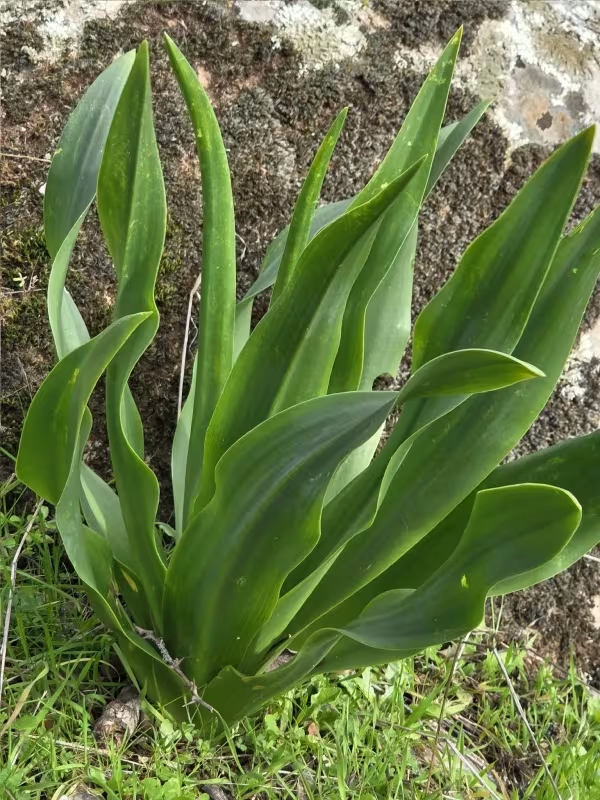
Description
Sowing dates
Planting sea squill is best undertaken in autumn, allowing the bulb to establish its root system before the onset of dormancy. In colder climates, container gardening is recommended to prevent frost damage during winter.
The bulb should be planted with the upper half or neck exposed above the soil surface. Proper positioning prevents the basal plate from rotting, which is the most frequent cause of bulb death in damp conditions.
Propagation by seed is possible but slow, as it takes several years for plants to reach flowering maturity. Seeds should be sown in a well-draining, sandy compost and kept barely moist until germination occurs.
Vegetative propagation via offsets is the most efficient method for growers. Offsets are separated during the summer dormant period and replanted immediately to expand the existing plantation area.
Space the bulbs adequately to allow for natural expansion, as mature plants can grow quite large. A spacing of at least 30 centimeters ensures sufficient nutrient uptake and helps maintain good airflow between plants.
Growing requirements
Drimia maritima is a member of the Asparagaceae family and is highly adapted to arid Mediterranean environments. It requires full sun exposure for most of the day to trigger its characteristic growth and flowering cycles.
The soil must be exceptionally well-draining, typically consisting of a sandy or gritty medium. Alkaline or neutral soils are preferred, and the substrate should be low in organic matter to mimic its natural habitat.
This species is highly climate-sensitive and cannot tolerate heavy frost. It is specifically adapted to regions with mild, wet winters and long, dry, hot summers, where it enters a natural state of dormancy.
Watering should be adjusted strictly according to the growth cycle. During the wet season, ensure soil moisture, but stop watering completely during the summer when the leaves wither to let the bulb rest.
A notable botanical feature is its salt tolerance, making it an excellent plant for coastal regions. It thrives in soils that would prove toxic to most other ornamental bulb species due to high salinity.
Main diseases and pests
The most severe threats to sea squill are fungal pathogens caused by overwatering. Root rot and basal rot are common if the bulbs remain in waterlogged soil for extended periods.
Insect pests, including bulb flies and various thrips, can cause significant damage to the bulbs. Regular scouting and the use of appropriate soil treatments are necessary to maintain healthy stocks.
Nematodes pose a hidden danger, as they compromise the vascular system of the bulb. Infested plants show stunted growth and yellowing foliage, and such bulbs should be discarded to prevent the spread of infection.
Mites may colonize the dry outer scales during storage or dormancy. Maintaining a dry, well-ventilated storage environment is crucial to minimize the impact of these pests on harvested inventory.
Providing optimal environmental conditions is the best preventative strategy against disease. Healthy plants growing in correct substrate conditions develop high natural resistance to most pests and pathogens.
Harvesting
Bulbs are harvested during their deep dormancy phase after the foliage has died back. This timing ensures that the concentration of cardiac glycosides and other active compounds is at its peak.
Harvesting should be handled carefully to avoid nicks or bruises, which create entry points for soil-borne pathogens. After harvest, the material is cleaned, sliced, and dehydrated in a temperature-controlled environment.
Sea squill has a long history of use in the pharmaceutical industry for heart medication. Its high toxicity also makes it a traditional, though less common, rodenticide in some agricultural practices.
A portion of the bulb crop must always be reserved for replanting to sustain the population. Responsible harvest management allows for consistent annual yields without exhausting the soil's resources.
Stored raw materials must be kept in a dry, cool, and well-ventilated area. Using breathable packaging materials helps maintain the integrity of the bioactive components until processing occurs.