
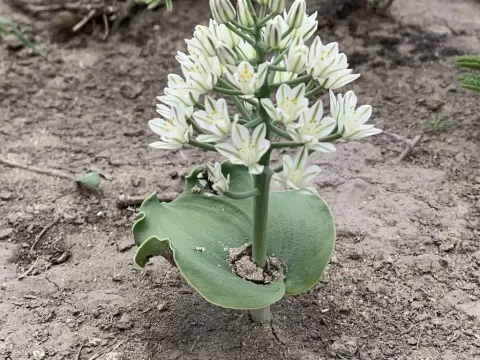
Eriospermum
Eriospermum
Eriospermum is a genus of perennial herbaceous succulents belonging to the Asparagaceae family. These plants are characterized by their tuberous or caudiciform rootstocks, which act as vital storage organs, allowing them to endure the harsh, arid conditions typical of their native Southern African habitats.
What the section contains
 Eriospermum abyssinicum
Eriospermum abyssinicum
Eriospermum abyssinicum
 Eriospermum alcicorne
Eriospermum alcicorne
Eriospermum alcicorne
 Eriospermum burchellii
Eriospermum burchellii
Eriospermum burchellii
 Eriospermum cooperi
Eriospermum cooperi
Eriospermum cooperi
 Eriospermum dregei
Eriospermum dregei
Eriospermum dregei
 Eriospermum mackenii
Eriospermum mackenii
Eriospermum mackenii
 Eriospermum paradoxum
Eriospermum paradoxum
Eriospermum paradoxum
 Eriospermum titanopsoides
Eriospermum titanopsoides
Eriospermum titanopsoides
Eriospermum
The distribution of Eriospermum is strictly tied to specific rocky and desert environments. Their life cycle is evolutionary adapted to distinct wet and dry seasons, requiring the cultivator to respect these dormancy periods to maintain plant health and prevent physiological decline.
Success in growing these plants depends largely on a highly permeable substrate. A mix consisting primarily of coarse sand, pumice, and grit is essential to ensure rapid drainage, as the tuberous roots are extremely prone to rotting when exposed to sustained moisture in compact soils.
Light requirements are high, favoring bright, indirect sunlight or mild morning sun. Proper air circulation is just as critical as light; it ensures that excess moisture evaporates from the surface and prevents the overheating of the tuber, which is often partially or fully subterranean in its natural state.
Cultivators often utilize Eriospermum for specialized botanical collections due to their unique, sometimes bizarre, leaf morphologies. Because they grow slowly and have specific environmental needs, they are rarely found in mass-market commercial production, making them highly prized among succulent enthusiasts.
Root rot, caused by fungal pathogens in waterlogged soils, represents the primary threat to the Eriospermum genus. Once rot sets in, it quickly spreads through the fleshy tuber, making early detection and immediate repotting into dry substrate the only viable rescue measures.
Mealybugs are the most common insect pests that plague these succulents, often congregating at the base of the leaves or near the growth point. If left untreated, they can severely weaken the plant by sucking sap, necessitating the use of systemic insecticides or targeted manual removal.
Spider mites can be problematic in hot, dry environments, manifesting as fine webbing and causing the foliage to lose its vigor and color. Maintaining a balance of fresh air and moderate humidity can help deter these pests before they establish a significant population.
Bacterial soft rot can occur if the plant sustains physical injury during maintenance or repotting. To mitigate this risk, it is standard practice to treat any wounds with sulfur powder or crushed charcoal to ensure rapid drying and barrier formation against opportunistic infections.
Physiological disorders, such as etiolation, often occur when the light levels are insufficient, causing the plant to stretch abnormally. This weakened growth structure is highly susceptible to secondary attacks from pests and diseases, underlining the importance of providing appropriate lighting throughout the growing season.