
Drimia haworthioides
Drimia haworthioides
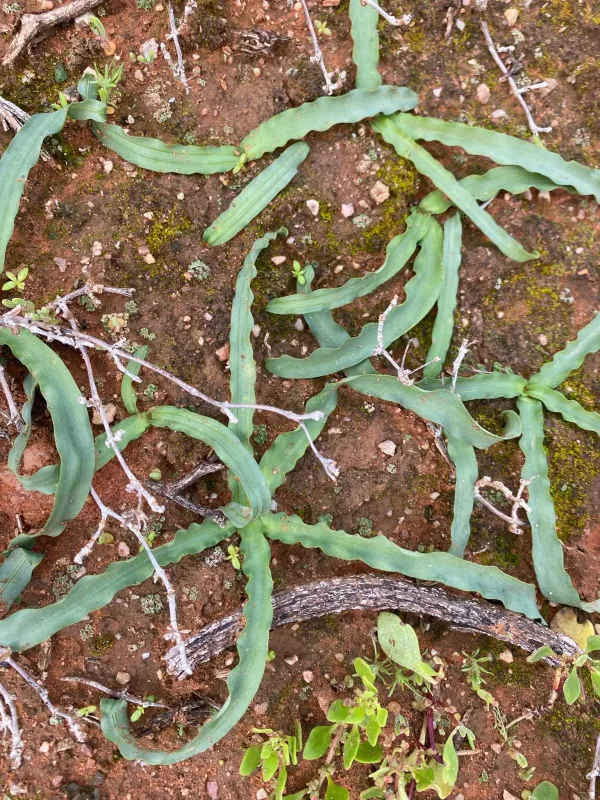
Description
Growing requirements
Drimia haworthioides is a fascinating perennial bulbous plant belonging to the Asparagaceae family. Known for its distinct growth pattern, it features small, succulent-like leaves and unique bulbs composed of loose, overlapping scales, which is characteristic of the genus.
Native to the arid regions of South Africa, this species thrives in rocky, well-draining soils. In agricultural and horticultural contexts, it requires a substrate that mimics its natural habitat, emphasizing high porosity and excellent water drainage properties.
The plant demands a high-light environment to maintain its compact shape and prevent etiolation. Placing the plant in a bright, airy location with ample sunshine is essential for photosynthesis and energy storage during the growth cycle.
Cultivation requires careful attention to the irrigation schedule. As a succulent-like bulb, it is highly sensitive to waterlogged conditions, which can lead to rapid fungal decay. Watering should be sparse during the active season and strictly halted during dormancy.
Temperature management is critical for the health of the plant. It performs best in moderate climates and should be protected from extreme frost. During winter months, maintaining a cool and dry environment is necessary to initiate the resting period.
Main diseases and pests
The primary concern in the cultivation of Drimia haworthioides is bulb rot, which is usually a result of poor drainage or overwatering. Once rot penetrates the scales, the plant often cannot be saved, making preventative care vital.
Pest management should focus on monitoring for sap-sucking insects such as mealybugs and spider mites. These pests can weaken the plant by feeding on its foliage, necessitating the use of specialized horticultural oils or systemic pesticides.