
Drimia platyphylla
Drimia platyphylla
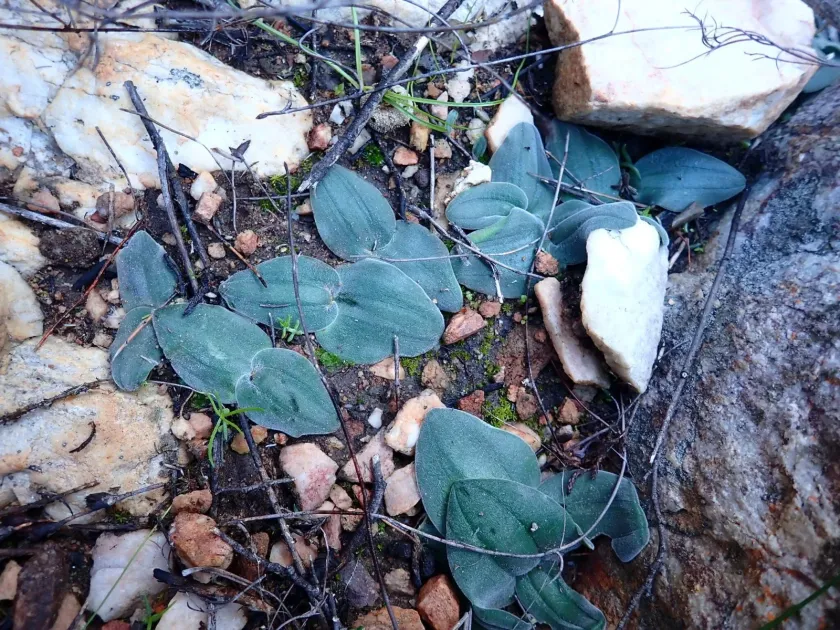
Description
Growing requirements
Drimia platyphylla is a perennial bulbous plant belonging to the Asparagaceae family. Native to the arid regions of Southern Africa, this species is specifically adapted to extreme environmental conditions, characterized by long periods of drought followed by seasonal rainfall.
For successful cultivation, the plant requires a fast-draining, sandy-based potting medium. The soil structure must prevent water retention, as excessive moisture is the primary cause of bulb rot, which is fatal to the plant during its dormant phase.
Exposure to full sunlight is essential for maintaining the characteristic morphology of Drimia platyphylla. Inadequate light levels cause the leaves to lose their distinct pattern and texture, leading to etiolated, weak growth that reduces the plant's overall health.
The climate requirements involve mimicking a Mediterranean-type or arid climate. During the active growth season, daytime temperatures should ideally range between +20°C and +28°C. Winter dormancy requires lower temperatures (+10°C to +15°C) and minimal water application.
Agrotechnical management revolves around the dormancy cycle. It is crucial to cease irrigation entirely when the leaves begin to yellow and wither, allowing the bulb to rest. Watering should only resume when new growth is observed at the start of the next season.
Main diseases and pests
Fungal infections, primarily caused by improper soil moisture, represent the most significant threat to Drimia platyphylla. Species such as Fusarium can penetrate the bulb tissue, leading to irreversible decay if not managed immediately.
Spider mites are common pests that thrive in the low-humidity environments often found in home gardens or greenhouses. These pests feed on the cellular sap, resulting in bleached spots on the foliage and significant reduction in photosynthetic capacity.
Mealybugs represent another major threat, often colonizing the base of the leaves and the crown of the bulb. Their presence is usually signaled by white, cotton-like secretions which can hide the insects from initial inspection.
Thrips can also be problematic, especially when the plant is kept in dry, warm conditions. Regular monitoring of the underside of the leaves is advised, as this is where these insects typically congregate to begin their feeding cycle.
To mitigate these risks, growers should prioritize optimal aeration and avoid overcrowding. If an infestation occurs, specialized systemic treatments are required to ensure the pesticide reaches the protected areas of the bulb and leaf joints.