
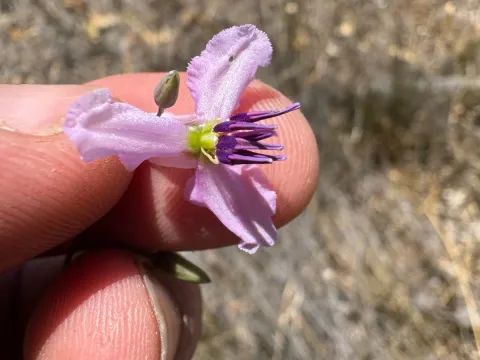
Dichopogon
Dichopogon
Dichopogon is a genus of perennial herbaceous plants within the Asparagaceae family. These plants are native to Australia and Tasmania, where they have adapted to various environments ranging from open grasslands to woodland understories.
What the section contains

Dichopogon
The plant is biologically characterized by a tuberous root system. These roots serve as vital storage organs, allowing the plant to survive extended periods of drought, which is a common stress factor in its natural habitat.
Regarding climate requirements, Dichopogon thrives in temperate and subtropical zones. It prefers full sun to light shade positions and requires high light intensity to initiate the flowering process effectively.
Soil management is critical for this species. It demands a well-draining medium, such as sandy loam or grit-amended soil. Poor drainage is the leading cause of plant failure, as it prevents root respiration and invites decay.
The cultural use of Dichopogon is primarily decorative. Its grass-like foliage and spikes of fragrant, nodding flowers make it a popular choice for rock gardens, native landscape designs, and container gardening.
Root rot is the most significant threat to the survival of Dichopogon. This condition is triggered by overly damp soil conditions, especially during the plant's natural dormancy phase in cooler weather.
In greenhouse or indoor environments, pests like aphids and spider mites can infest the foliage, reducing the overall vigor and aesthetic appeal of the plant during the growing season.
Regular sanitation, such as removing dead or dying foliage, is essential to minimize the risk of fungal infections that spread easily in stagnant air conditions within crowded plantings.
Gastropods, particularly slugs and snails, are known to feed on the tender emerging shoots of the plant, potentially destroying the season's growth if left unmonitored.
Cultural control measures should prioritize maintaining a balance between moisture and drainage to prevent the stress that makes the plant more susceptible to both pests and pathogens.