
Eremocrinum
Eremocrinum
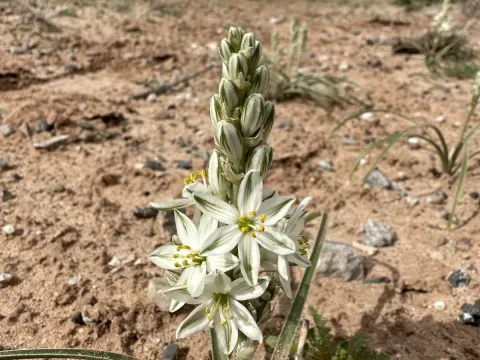
Eremocrinum, belonging to the Asparagaceae family, is a monotypic genus represented by the species Eremocrinum albomarginatum. In its natural habitat, seeds mature by the end of summer and require a cold stratification period to germinate successfully in the following season.
What the section contains

Eremocrinum
For cultivation purposes, direct outdoor sowing is best performed during the autumn, which mimics natural seasonal cycles. Seeds should be planted at a shallow depth of 1-2 centimeters to ensure adequate oxygen levels and appropriate temperature regulation for the emerging seedlings.
In controlled greenhouse environments, seeds may be sown in early spring following a treatment with growth stimulants. Maintaining consistent substrate moisture is critical during the initial stages, but over-saturation must be strictly avoided to prevent seedling damping-off.
Root development in Eremocrinum is characteristically slow, necessitating extreme caution when transplanting young plants. Utilizing biodegradable peat pots is highly recommended to minimize disturbance to the delicate root system when transitioning the plant to its final growth site.
The chosen site must receive full sun, as the culture is highly dependent on light intensity for vigorous development. Shaded areas often result in etiolated flower stalks and a significant reduction in overall plant vigor and reproductive success.
Native to the arid regions of the southwestern United States, Eremocrinum requires excellent soil drainage. The plant thrives in light, sandy, or loamy soils with a neutral to slightly alkaline pH, where the risk of waterlogging is effectively eliminated.
Climate preferences involve a distinct dry resting period during the summer months and moderate spring moisture. It is essential to provide protection from excessive rainfall, particularly during winter, to prevent root crown rot caused by prolonged damp conditions.
The botanical structure of the plant is adapted for water conservation, including narrow leaves with distinct white margins. Its root system consists of thickened, fleshy roots capable of storing sufficient water and nutrients to survive prolonged periods of drought.
Agricultural management should focus on maintaining minimal moisture during the blooming phase, followed by a total cessation of irrigation once the foliage begins to senescence. Fertilizer application should be conservative, prioritizing potassium to enhance cellular tissue durability.
The temperature range should align with temperate to arid climates, although the plant requires protection from severe frost without snow cover. Mulching with gravel or coarse sand helps regulate soil temperature and prevents the root zone from overheating during summer.
The primary agricultural threat to this species is root rot, which stems from poor drainage or excessive soil moisture. Fungal pathogens proliferate quickly in waterlogged environments, damaging the root crown and leading to rapid decline or death of the perennial.
Soil-borne pests, such as nematodes, pose a significant risk by compromising the root system and decreasing the plant's overall resilience. Pre-planting soil sterilization or strict substrate hygiene is the most effective preventative measure against these threats.
Aphids can cause damage during the spring flush of active growth, particularly affecting the tender foliage and developing flower stalks. Insect infestations not only drain the plant's vital sap but can also facilitate the entry of viral or secondary bacterial infections.
Inappropriate crop rotation or site selection can lead to the accumulation of host-specific pathogens in the soil. It is vital to avoid planting Eremocrinum in locations previously occupied by other Asparagaceae species that may harbor similar soil-borne diseases.
Preventative care relies on maintaining proper soil aeration and preventing contact between the plant's foliage and damp soil surfaces. Systemic fungicides should only be considered as a secondary control method if primary cultural management fails to prevent infection.