
Drimia namibensis
Drimia namibensis
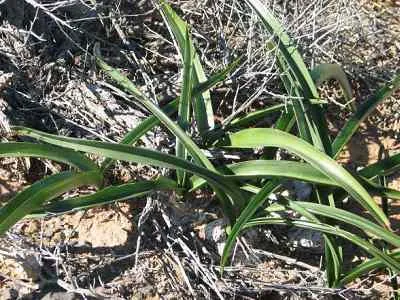
Description
Growing requirements
Drimia namibensis is a perennial bulbous plant belonging to the Asparagaceae family. Native to the arid regions of Namibia, this species has evolved specialized survival mechanisms to endure the harsh conditions of desert environments characterized by scarce and irregular rainfall.
Botanically, the plant is a geophyte featuring a prominent, often partially exposed bulb that stores nutrients and water to sustain the plant during extended dormant phases. The foliage is characteristically narrow and strap-like, emerging strictly in accordance with the environmental triggers of moisture availability.
Successful cultivation requires highly porous, sandy soil compositions that prioritize drainage above all else. In agricultural or horticultural settings, growers must meticulously manage moisture levels to prevent the accumulation of water, which is the primary cause of physiological stress in this species.
Climatic requirements involve high solar intensity and significant fluctuations between day and night temperatures, simulating natural Namibian conditions. Proper lighting is essential not only for plant growth but also for preventing etiolation and maintaining the structural integrity of the bulb.
The economic and practical use of Drimia namibensis lies primarily in its value to specialized nurseries and botanical collections. Due to its extreme drought tolerance, the species is an excellent subject for research regarding water-wise horticultural practices and decorative gardening in arid zones.
Main diseases and pests
The primary threat to the health of Drimia namibensis is fungal decay resulting from overwatering or inadequate soil aeration. Once pathogens infiltrate the bulb's basal plate, the deterioration process is often rapid and irreversible, necessitating strict watering protocols.
Pest management should focus on monitoring for sap-sucking insects such as mealybugs, which are prone to colonizing the protected areas between the bulb scales. Early detection and the application of targeted biological or chemical treatments are necessary to ensure the long-term survival of the crop.