
Drimia sanguinea
Drimia sanguinea
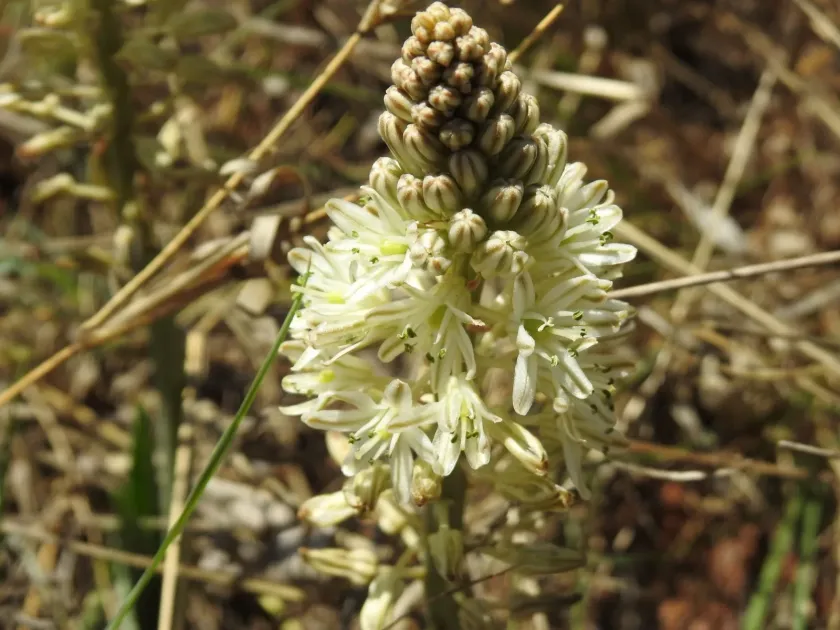
Description
Growing requirements
Drimia sanguinea is a perennial bulbous plant belonging to the Asparagaceae family. Native to the arid regions of Southern and Tropical Africa, this plant is well-adapted to environments characterized by long periods of drought and high temperatures.
The plant is defined by its distinctive large bulb with reddish scales, which are known to contain potent cardiac glycosides. Its foliage is lanceolate and often features mottled patterns, emerging vigorously during the rainy season to support the plant's metabolic cycles.
Cultivation success relies heavily on substrate composition. The soil must be exceptionally well-draining, mimicking the rocky or sandy terrain of its natural habitat. Heavy, moisture-retentive soils are detrimental, as they frequently lead to bulb rotting during the plant's dormancy phase.
Climate requirements include high exposure to bright light during the active growth phase. While the species is heat-tolerant, it requires a significant reduction in watering as temperatures drop and the plant enters its natural cycle of dormancy to ensure bulb longevity.
Host use of Drimia sanguinea is primarily specialized. Beyond its role in ornamental collections, the plant has been utilized in traditional medicine; however, its inherent toxicity necessitates cautious handling and professional-grade agricultural practices if managed for extract-based industries.
Main diseases and pests
The most common threat to Drimia sanguinea health is fungal root rot. This issue is almost exclusively caused by overwatering during the dormancy period, which prevents the bulb from achieving the necessary physiological rest required for future growth.
Pests such as spider mites and mealybugs are the primary biological threats in greenhouse environments. These pests thrive in dry conditions and can quickly compromise the structural integrity of the leaves, potentially leading to plant death if left unchecked.
Integrated pest management protocols should be implemented, focusing on physical inspection and the use of targeted acaricides. Given the chemical nature of the plant, contact with sap should be avoided during pruning or handling to prevent dermal irritation.
Nematode infestations can also plague the bulb, particularly when soil is recycled between seasons. Soil sterilization or regular substrate replacement is a critical preventative measure for maintaining a healthy nursery stock.
In addition to these threats, mechanical damage to the bulb during storage can lead to bacterial infections. Proper curing and dry storage conditions are essential for protecting the plant's health throughout the year.