
Drimia glaucescens
Drimia glaucescens
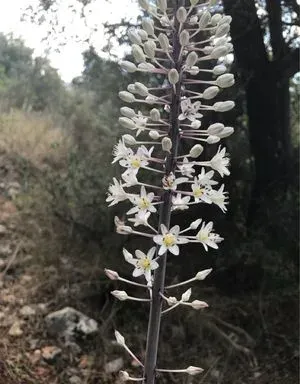
Description
Growing requirements
Drimia glaucescens is a perennial bulbous plant belonging to the Asparagaceae family. It is native to the arid and rocky regions of South Africa, where it has evolved to thrive in nutrient-poor soils and under conditions of significant seasonal drought.
Botanically, the plant is characterized by its large, often semi-exposed bulbs and glaucous, lanceolate leaves. These leaves are covered in a waxy bloom, which serves as a protective layer against high heat and excessive transpiration in its natural habitat.
Cultivation requirements necessitate a highly porous, inorganic-heavy substrate. A mixture of grit, coarse sand, and perlite is essential to ensure that the bulb remains dry, as the species is exceptionally prone to rot if kept in moist or dense potting media.
The plant requires full sun to maintain its specific coloration and compact growth habit. In indoor environments, placing the plant in the sunniest possible window is mandatory for success, as poor light leads to rapid etiolation and structural weakness.
Watering management is the most critical aspect of the plant's life cycle. During the growing season, irrigation should be moderate but consistent, while during the dormant winter phase, water must be withheld entirely to simulate the dry season of its origin.
Main diseases and pests
The primary threat to Drimia glaucescens is root and bulb rot caused by excessive soil moisture and poor drainage. This condition is often fatal and is best prevented by ensuring the substrate is completely dry before subsequent watering.
Insect pests such as spider mites can infest the foliage, particularly in low-humidity environments. These mites feed on the sap, causing chlorotic spots and reducing the plant's overall vigor during the active growing season.
Mealybugs are another common concern, often hiding deep within the tight spaces between leaf bases. Manual removal using cotton swabs dipped in alcohol is often the most effective method for controlling minor infestations on the bulbs.
Fungal leaf spot diseases can occur if the foliage is sprayed with water or if the plant is kept in an environment with poor air circulation. Proper spacing between plants and maximizing airflow is essential for disease prevention.
In outdoor garden settings, subterranean pests like nematodes can cause significant damage to the root system. Using sterilized potting mixes and maintaining rigorous sanitation standards are the most reliable ways to avoid these soil-borne threats.