
Drimia sphaerocephala
Drimia sphaerocephala
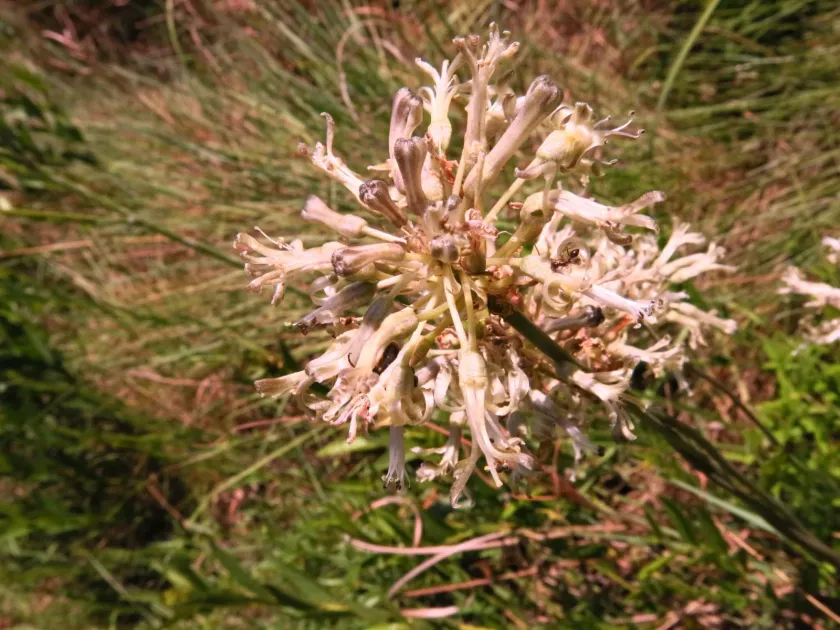
Description
Growing requirements
Drimia sphaerocephala is a bulbous species within the Asparagaceae family, native to arid regions of Southern Africa. Its biology is perfectly adapted to climates with distinct dry and wet seasons, making it a unique subject for cultivation.
The plant features a prominent, robust bulb that acts as a water storage organ. The foliage is typically narrow and succulent, emerging during the rainy season to conduct photosynthesis before entering a dormant phase during the dry heat.
For successful cultivation, excellent drainage is non-negotiable. The soil must be highly porous, ideally a mix of sandy loam or specialized grit, to ensure that the bulbs do not remain in water, which is fatal for this species.
Sun exposure is a critical factor for Drimia sphaerocephala. The plant thrives under full sun, which is necessary for the development of its characteristic inflorescence and for hardening the bulb tissues against environmental stressors.
Cultivation management revolves around the seasonal cycle. Growers should avoid watering during the dormancy phase entirely, as the bulbs naturally retreat into the soil to escape harsh conditions until the environmental cues trigger growth.
Main diseases and pests
Fungal pathogens represent the most significant threat to the health of Drimia sphaerocephala. Excessive moisture in the substrate creates an environment suitable for root and bulb rot, which often leads to the sudden collapse of the plant.
Spider mites are common pests that tend to infest the plant during hot, dry growing seasons. They thrive in low humidity and can quickly drain the moisture from the leaves, causing wilting and eventual yellowing of the foliage.
Mealybugs are another common challenge, as they often hide in the crevices of the bulb scales and at the base of the leaves. Manual removal or systematic pesticide application is required to keep infestations under control.
Nematode infestations can severely compromise the root system, causing stunted growth and poor health. Ensuring that any propagation material is clean and the potting medium is sterilized can help mitigate this risk significantly.
Physical injuries to the bulb during transplanting or harvesting can become infection points. It is highly recommended to let the bulbs callus over in a dry, shaded area before repotting to prevent bacterial and fungal entry.