
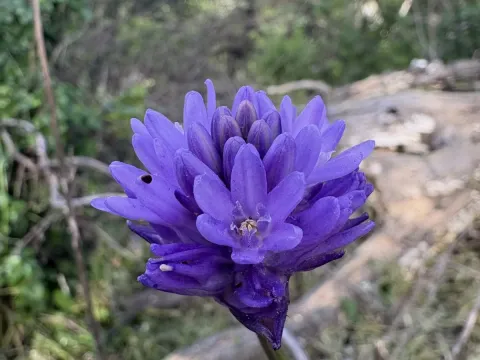
Dichelostemma
Dichelostemma Kunth
Planting Dichelostemma in open ground is typically done in the autumn, when soil temperatures drop to 10–12 degrees Celsius. This timing is crucial to allow the bulbs to establish a root system before the onset of hard frosts.
What the section contains


Dichelostemma
In regions with harsh winters, spring planting is a common practice, occurring as soon as the ground thaws and warms up. This method significantly reduces the risk of bulb mortality during the first winter after planting.
The depth of planting depends on the size of the bulb, with a general recommendation of 8–10 centimeters. Proper depth ensures that the bulb is protected from surface temperature fluctuations and remains stable.
When planting, it is essential to maintain a spacing of at least 10–15 centimeters between bulbs. Adequate space allows for better airflow, which is critical for reducing humidity-related diseases.
Adding a layer of river sand at the bottom of the planting hole acts as an excellent drainage system. This prevents water from pooling around the bulb base, significantly lowering the risk of rotting.
Dichelostemma belongs to the Asparagaceae family and is a perennial herbaceous bulbous plant. It is native to the western regions of North America, where it thrives in open, sun-drenched habitats.
The plant has a high requirement for light and should be situated in full sun. In shaded areas, the plant tends to become etiolated, and its flowering capability is significantly reduced or inhibited.
Soil quality is paramount, with the plant favoring light, well-draining, and sandy-loam soils. Poorly drained, heavy clay soils are detrimental and will likely result in bulb decay.
The ideal soil pH is neutral or slightly acidic. On heavy or compacted soils, incorporating organic matter like mature compost and sand is necessary to improve texture and overall porosity.
A dormant period follows the flowering phase, during which the plant requires very little water. Ensuring the soil remains relatively dry during this time helps prevent premature bulb rot.
Fungal diseases are the most significant threat to Dichelostemma, primarily triggered by excessive moisture in the growing medium. Fusarium rot of the bulb base is a common and dangerous infection.
Strict irrigation management is the primary defense against such infections. Preventing water stagnation in the root zone is key to maintaining a healthy bulb population throughout the year.
Common insect pests include the onion fly and various species of nematodes. These pests target the bulbs, causing stunting and eventual plant failure if left unchecked.
Pre-planting treatment of bulbs with suitable fungicides and insecticides is strongly recommended. This practice provides a protective barrier against soil-borne pathogens and insect damage.
Maintaining a weed-free environment is essential, as many weed species serve as alternative hosts for pests and viral diseases that can easily spread to the cultivation area.
Harvesting flower stalks for commercial or decorative use is best done when the lower florets have opened, but the top buds are still showing color. This ensures the longest possible vase life.
Always use clean, disinfected tools when cutting the flower stems to prevent the transmission of bacteria or viruses. It is vital to leave enough foliage to allow the bulb to recover energy for the next cycle.
For propagation, bulbs should be harvested only after the foliage has fully yellowed and dried. This indicates that the plant has successfully translocated all energy reserves into the bulb.
After excavation, the bulbs must be cleaned of debris and dried in a shaded, well-ventilated location for several days. Proper drying is essential to prevent fungal outbreaks during storage.
Storage should be conducted in cool, dry areas with good ventilation. Maintaining stable conditions helps prevent the bulbs from either sprouting prematurely or desiccating during the storage period.