
Elegant brodiaea
Brodiaea elegans
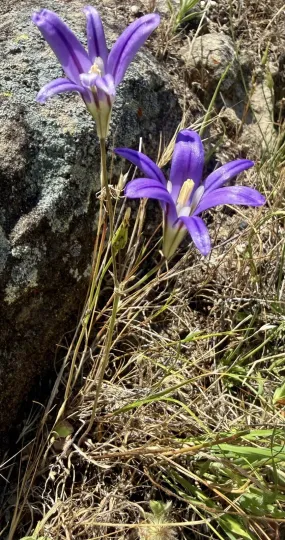
Description
Growing requirements
Elegant brodiaea (Brodiaea elegans) is a perennial bulbous plant belonging to the Asparagaceae family. Native to the western regions of North America, particularly California, this plant is well-adapted to Mediterranean-type climates with distinct wet and dry seasons.
The plant features basal, grass-like leaves and slender stalks topped with clusters of funnel-shaped, violet-blue flowers. Botanically, it relies on its corm to store nutrients, which allows it to remain dormant during the heat of the summer after the flowering period concludes.
Successful cultivation requires well-draining soil, ideally sandy or loamy, to prevent the corms from rotting. In garden settings, it performs best in full sun, though it can tolerate partial shade in regions with extremely intense afternoon heat.
Agronomic management involves providing water during the spring growth phase, followed by a total cessation of irrigation once the foliage begins to yellow. This dry rest period is essential for the bulb's metabolic recovery and the successful development of offsets for future propagation.
In terms of usage, the elegant brodiaea is highly valued as an ornamental species for rock gardens, wildflower meadows, and specialized bulb borders. Its long-lasting blooms make it an excellent candidate for cut flower arrangements, adding a unique aesthetic to floral displays.
Main diseases and pests
The primary threats to Brodiaea elegans are fungal pathogens, specifically Botrytis and Fusarium, which thrive in waterlogged soil conditions. These diseases often lead to the decay of the corm, resulting in the sudden death of the plant during its active growing cycle.
Common pests include aphids and bulb mites, which can drain energy from the leaves and damage the developing flower buds. Effective control involves maintaining proper soil hygiene, rotating planting sites, and applying selective insecticides when early signs of infestation are detected.