

Биоорганическое нано удобрение "НАГРО" / "NAGRO"
LLC NPO "BIOPLAN"
Fertilizers
43
25
·
11.2K
1 offer
37.63 €per 1 kg
Buy
The Amaryllidaceae family comprises a diverse group of monocotyledonous plants known for their impressive flowering displays and specialized bulbous storage organs. As an agricultural commodity, they are primarily cultivated for the commercial cut-flower market and the nursery industry.
 Daffodil
Narcissus L.
11 items
Daffodil
Narcissus L.
11 items
 Acis
Acis Salisb.
1 item
Acis
Acis Salisb.
1 item
 Acis
Acis
Acis
Acis
 Acis
Acis hybrids
Acis
Acis hybrids
 Acis fabrei
Acis fabrei
Acis fabrei
 Acis ionica
Acis ionica
Acis ionica
 Acis longifolia
Acis longifolia
Acis longifolia
 Acis tingitana
Acis tingitana
Acis tingitana
 Acis valentina
Afghan onion
Allium afghanicum
Acis valentina
Acis valentina
Afghan onion
Allium afghanicum
 Aflatun onion
Allium aflatunense
Aflatun onion
Allium aflatunense
 Agapanthus
 L'Hér.
16 items
Agapanthus
Agapanthus L'Hér.
16 items
 Agapanthus
1 item
Agapanthus
Agapanthus
1 item
 Allen's Snowdrop
Galanthus allenii
Allen's Snowdrop
Galanthus allenii
 Allium akaka
Allium akaka
Allium akaka
 Allium altissimum
Allium altissimum
Allium altissimum
 Allium anisopodium
Allium anisopodium
Allium anisopodium
 Allium breviradium
Allium breviradium
Allium breviradium
 Allium callimischon
Allium callimischon
Allium callimischon
 Allium carolinianum
Allium carolinianum
Allium carolinianum
 Allium chamaemoly
Allium chamaemoly
Allium chamaemoly
 Allium chamaespathum
Allium chamaespathum
Allium chamaespathum
 Allium circinatum
Allium circinatum
Allium circinatum
 Allium curtum
Allium curtum
Allium curtum
 Allium cyrilli
Allium cyrilli
Allium cyrilli
 Allium decipiens
Allium decipiens
Allium decipiens
 Allium grosii
Allium grosii
Allium grosii
 Allium inaequale
Allium inaequale
Allium inaequale
 Allium inutile
Allium inutile
Allium inutile
 Allium kollmannianum
Allium kollmannianum
Allium kollmannianum
 Allium macrostemon
Allium macrostemon
Allium macrostemon
 Allium melanantherum
Allium melanantherum
Allium melanantherum
 Allium multibulbosum
Allium multibulbosum
Allium multibulbosum
 Allium oreophilum
Allium oreophilum
Allium oreophilum
 Allium parciflorum
Allium parciflorum
Allium parciflorum
 Allium splendens
Allium stamineum
Allium stamineum
Allium splendens
Allium splendens
Allium stamineum
Allium stamineum
 Allium subvillosum
Allium trachycoleum
Allium trachycoleum
Allium subvillosum
Allium subvillosum
Allium trachycoleum
Allium trachycoleum
 Allium zebdanense
Allium zebdanense
Allium zebdanense
 Alpine snowdrop
Galanthus alpinus
Alpine snowdrop
Galanthus alpinus
 Amaryllis
1 item
Amaryllis
Amaryllis
1 item
 Amaryllis hybrids
Amaryllis hybrids
Amaryllis hybrids
 Amaryllis x Nerine
1 item
Amaryllis x Nerine
Amaryllis x Nerine
1 item
 Ammocharis
1 item
Artemisia-leaved onion
Allium artemisietorum
Backhouse Onion
Allium backhousianum
Ammocharis
Ammocharis
1 item
Artemisia-leaved onion
Allium artemisietorum
Backhouse Onion
Allium backhousianum
 Baetic onion
Allium baeticum
Baetic onion
Allium baeticum
 Baker's narcissus
Narcissus bakeri
Baker's narcissus
Narcissus bakeri
 Basalt garlic
Allium basalticum
Basalt garlic
Allium basalticum
 Beach spider lily
Hymenocallis littoralis
Beautiful-headed onion
Allium calocephalum
Beach spider lily
Hymenocallis littoralis
Beautiful-headed onion
Allium calocephalum
 Bell crinum
Crinum campanulatum
Bell crinum
Crinum campanulatum
 Bicolor daffodil
Narcissus bicolor
Bicolor daffodil
Narcissus bicolor
 Black-flowered onion
Allium melananthum
Black-flowered onion
Allium melananthum
 Blood Lily
Haemanthus L.
Blood Lily
Haemanthus L.
 Blood Lily
Haemanthus coccineus
Blood Lily
Haemanthus coccineus
 Boophone
2 items
Boophone
Boophone
2 items
 Broad-leaved snowdrop
Galanthus platyphyllus
Brown onion
Allium fuscum
Broad-leaved snowdrop
Galanthus platyphyllus
Brown onion
Allium fuscum


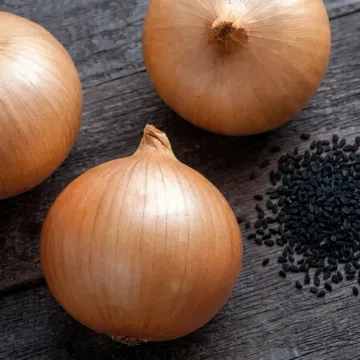

Originating mainly from tropical and subtropical regions of Africa and the Americas, these plants have adapted to distinct seasonal cycles. They thrive in environments where wet growing seasons are followed by distinct dry periods, a factor that must be mimicked in commercial production systems.
Botanically, they are defined by their perennial bulbs, linear leaves, and prominent umbel-like inflorescences. The physiological structure allows for rapid growth once conditions are favorable, utilizing stored starch reserves within the succulent scales of the bulb to fuel early-stage development.
Agricultural requirements necessitate well-drained, porous soils to prevent root asphyxiation. In professional settings, climate control is critical; maintaining specific day and night temperature differentials is essential for inducing dormancy and subsequent floral initiation. Irrigation management remains the most sensitive aspect of their daily care.
Commercial production faces constant pressure from pathogens such as Botrytis and Stagonospora, which can devastate bulb stocks. Effective management relies on a combination of quarantine practices for new stock, systematic application of systemic fungicides, and biological control agents to manage populations of aphids and bulb mites.