
Drimia indica
Drimia indica
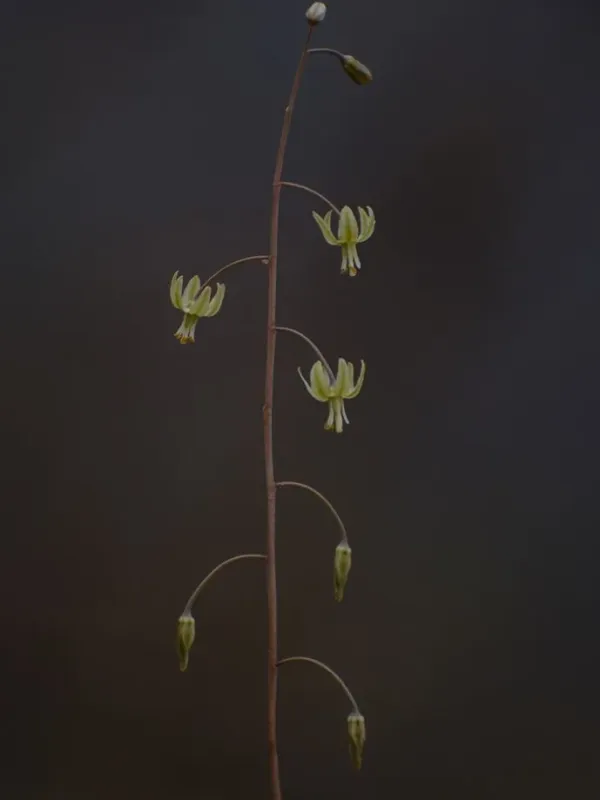
Description
Growing requirements
Drimia indica, commonly known as the Indian squill, is a perennial bulbous plant belonging to the Asparagaceae family. Native to tropical regions of Asia and Africa, it is widely recognized for its medicinal properties and resilience in harsh environments.
The plant features large, fleshy bulbs that are often exposed above the soil surface. Its foliage typically consists of a basal rosette of linear leaves, while the inflorescence is a terminal raceme that blooms after the dry season.
For optimal growth, this crop requires well-drained, sandy, or rocky soil. It is highly drought-tolerant and thrives in full sun exposure. Poor drainage is the primary factor limiting the success of cultivation, as it can lead to immediate bulb rot.
The climatic conditions ideal for Drimia indica include high temperatures and a distinct dry phase. A dormancy period is essential for the plant to transition into its reproductive cycle, during which it produces long, sturdy flower spikes.
Historically and commercially, the bulbs are harvested for their therapeutic value, as they contain cardiac glycosides. These compounds are extracted for pharmaceutical use, making it an important crop for specific medicinal sectors.
Main diseases and pests
The most significant threat to Drimia indica is root rot caused by pathogens such as Fusarium or Rhizoctonia. These fungi thrive in overly moist soil conditions, rapidly compromising the structural integrity of the bulb.
Insect pests, including bulb flies and mites, represent a consistent risk to the crop's health. These pests feed on the tissues, often leaving the plant susceptible to secondary bacterial infections that spread through the plantation.
Integrated pest management should focus on soil aeration and precise irrigation scheduling to keep the soil moisture levels low. Ensuring adequate spacing between rows helps in maintaining better airflow and reducing humidity.
Regular monitoring for leaf spotting or discoloration is crucial for early detection of potential disease outbreaks. Infected bulbs should be carefully removed to prevent the pathogen from spreading to neighboring plants.
Applying sulfur-based or copper-based treatments at the start of the growing season can serve as a preventative measure against common fungal threats, enhancing the survival rate and yield quality of the bulbs.