
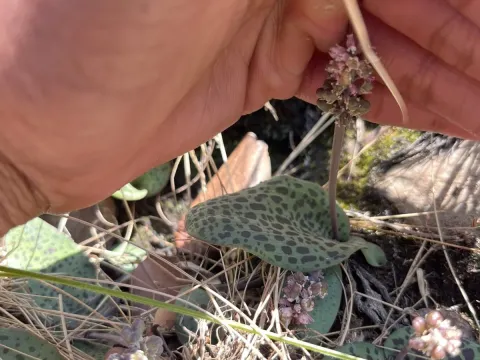
Drimiopsis
Drimiopsis
Drimiopsis is a genus of bulbous perennial plants belonging to the Asparagaceae family. Originally native to sub-Saharan Africa, these plants have evolved to thrive in tropical and subtropical climates, often found growing in shaded woodland areas or savanna margins.
What the section contains


Drimiopsis
Botanically, Drimiopsis is distinguished by its fleshy, often cluster-forming bulbs and its basal leaves, which in common species like Drimiopsis maculata are mottled with dark spots. The inflorescences are racemes consisting of small, white or greenish bell-shaped flowers that appear during the growing season.
To cultivate this crop successfully, it is essential to provide bright, indirect sunlight. While the plant can tolerate lower light levels, excessive shade may cause the leaves to lose their unique pattern, and direct scorching sun can damage the leaf tissue.
Soil requirements for Drimiopsis include a well-draining, nutrient-rich potting medium. A mixture of loam, leaf mold, and coarse sand or perlite works best. Proper drainage is critical, as stagnant water is the primary cause of physiological distress for these bulbs.
In terms of хозяйственное usage, Drimiopsis is strictly ornamental. Its compact size and ease of propagation make it a favored choice for indoor plant collections, botanical displays, and as a low-maintenance container plant for greenhouse environments.
The most common threats to the health of Drimiopsis are fungal pathogens resulting from overwatering. If the substrate remains saturated for too long, the bulbs are highly prone to soft rot, which is difficult to treat once the internal tissue is damaged.
Pests that frequently infest Drimiopsis include spider mites and mealybugs, which tend to congregate in the leaf axils. Keeping the plant clean, maintaining adequate humidity, and monitoring for early signs of infestation are the best ways to keep the crop healthy and vibrant.