
Drimia purpurascens
Drimia purpurascens
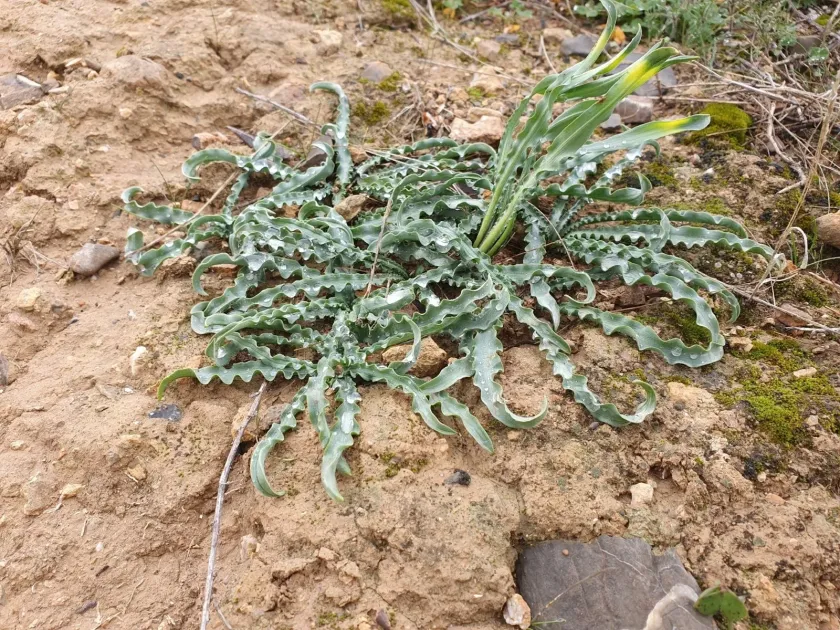
Description
Growing requirements
Drimia purpurascens is a perennial bulbous plant belonging to the Asparagaceae family. Native to the southern regions of Africa, this species has evolved in ecosystems characterized by distinct wet and dry seasons, making it a specialized crop for specific environmental conditions.
The plant thrives in full sun exposure and requires a well-draining substrate, typically a mixture of sand and organic matter. Proper drainage is essential, as the bulb is highly sensitive to waterlogging, which often results in fatal root and bulb rot.
Regarding climate, Drimia purpurascens demands warm temperatures and cannot survive frost. In agricultural practice, it is often cultivated in greenhouses or containers to maintain strict control over temperature and humidity throughout its biological cycle.
Botanically, the plant features a fleshy bulb and a cluster of lanceolate leaves. Its inflorescence is a raceme comprising small, purple-tinged flowers, which are the main ornamental feature of the plant. The plant's morphology is highly adapted to conserve water during harsh periods.
Management of the plant requires an understanding of the dormancy phase. During the dry season, all irrigation should be withheld to simulate the natural habitat. Resumption of watering at the correct time is the primary factor in triggering the growth of the next flowering cycle.
Main diseases and pests
The primary threats to this crop are fungal pathogens, specifically those causing basal rot, which usually thrive in poorly ventilated or excessively damp environments. Maintaining a dry soil surface and appropriate spacing between plants is crucial for prevention.
Pest issues often involve bulb mites and scale insects that can hide under the bulb tunics. Integrated pest management strategies, focusing on early detection and the use of targeted acaricides, are the standard methods for maintaining plant health in professional collections.