
Dyschoriste crenulata
Dyschoriste crenulata
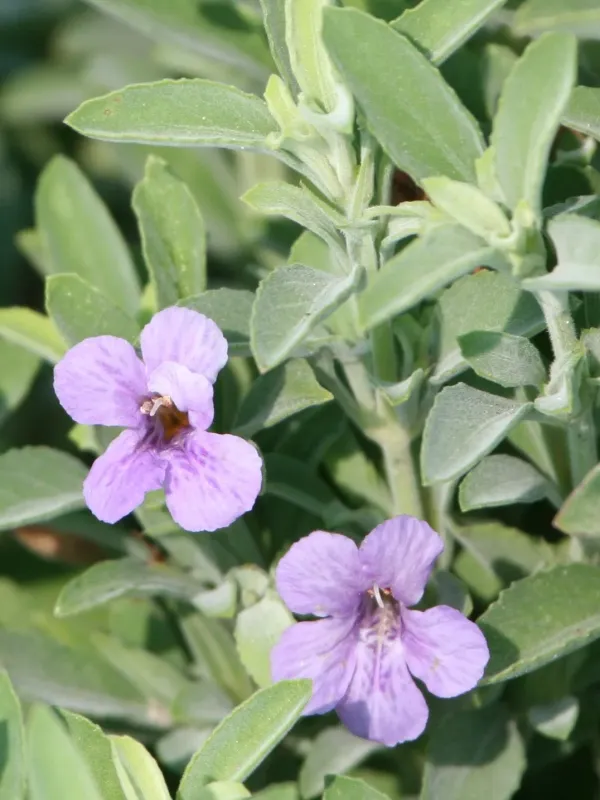
Description
Sowing dates
Sowing of Dyschoriste crenulata seeds should be initiated in the early spring using a well-draining, sterile potting medium. Maintaining a consistent temperature of 22 to 25 degrees Celsius is essential for optimal germination rates.
Seeds should be lightly covered with fine soil and kept in a high-humidity environment until the first true leaves emerge. Providing bright, indirect light prevents the seedlings from becoming leggy and weak.
Transplanting seedlings to individual pots occurs once they reach a size sufficient to handle root disturbance. It is crucial to use a high-quality substrate rich in organic matter to support early vegetative development.
Hardening off is a necessary step before moving the plants to their final outdoor location or larger containers. Gradually increasing exposure to ambient conditions strengthens the plant's cuticle and overall stress resistance.
Proper spacing is vital during the sowing and seedling stages to ensure adequate air circulation. This minimizes the risk of early-stage fungal damping-off, which is a common challenge for this specific species.
Growing requirements
Dyschoriste crenulata belongs to the Acanthaceae family, a group known for its diverse and often decorative tropical flora. It thrives best in warm climates and requires consistent warmth throughout its growing season.
The plant prefers fertile, loamy soils with excellent drainage properties. While it enjoys moisture, it cannot tolerate waterlogged conditions, which lead to root asphyxiation and rapid physiological decline.
Regarding light, this species performs best under partial shade, especially in regions with intense afternoon sun. Full sun exposure is acceptable only if humidity levels are consistently high and water is available.
Fertilization should be applied regularly during the peak growing months. A balanced liquid fertilizer helps sustain vibrant foliage and supports the potential development of its characteristic flowers.
Temperature management is the most restrictive factor for this plant. Being of tropical origin, it must be protected from temperatures below 15 degrees Celsius to prevent cold-induced damage to its vascular tissues.
Main diseases and pests
Spider mites are the most persistent pest for this species, especially in indoor or dry greenhouse environments. Regular misting and the application of horticultural oils help manage and suppress their populations.
Root rot, typically caused by Pythium or Phytophthora species, is the primary disease threat. It is almost always a result of overwatering and inadequate drainage systems in the potting containers.
Whiteflies can infest the undersides of leaves, weakening the plant by draining sap. Effective control requires systemic insecticides or biological control agents like predatory mites if chemical use is restricted.
Powdery mildew is common in environments with poor air circulation. Improving ventilation and maintaining dry foliage during evening hours are effective preventative measures against this fungal pathogen.
Regular sanitation, including the removal of dead or dying leaves, is essential to prevent the accumulation of pathogens. Healthy plants that are properly fed and watered exhibit significantly higher resistance to these common threats.