
Dyschoriste quadrangularis
Dyschoriste quadrangularis
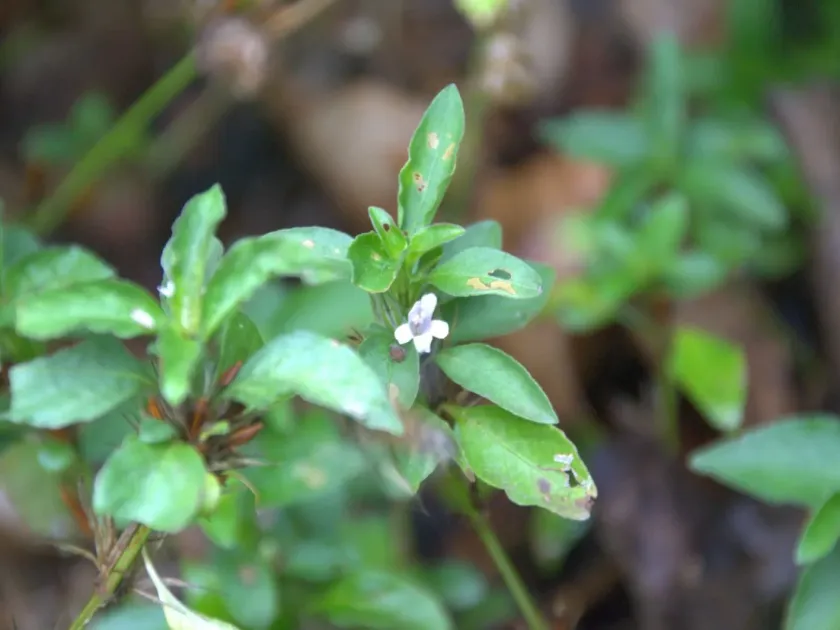
Description
Sowing dates
Sowing seeds of Dyschoriste quadrangularis is typically carried out in the spring period when the soil has warmed sufficiently. The end of April or May is considered the optimal time, allowing the plant to establish roots before the onset of summer heat.
To accelerate germination, seeds can be subjected to stratification for several weeks under low-temperature conditions. It is recommended to sow in loose, nutritious substrate with excellent drainage.
The planting depth for seeds is no more than 0.5–1 cm, as the seeds are quite small and require access to light for proper germination. After sowing, the substrate surface should be moistened gently using a spray bottle.
Seedlings appear unevenly, usually within 2–4 weeks after sowing, provided that consistent humidity is maintained. It is recommended to transplant the young plants into individual containers before moving them to the open ground.
In regions with mild climates, late-autumn sowing is possible; however, this requires protecting the seeds from sharp temperature fluctuations. Primary attention should be focused on maintaining the tilth of the topsoil layer.
Growing requirements
Dyschoriste quadrangularis belongs to the Acanthaceae family and is a low-growing herbaceous plant characterized by its four-angled stems. It prefers well-lit areas but is capable of tolerating light shade in regions with hot climates.
The culture is relatively undemanding regarding soil conditions, although it develops best in sandy loam or loam soils with a neutral or slightly acidic reaction. An important condition is the absence of water stagnation in the root zone.
The plant possesses moderate drought resistance, allowing it to be used in arid regions. Nevertheless, to achieve maximum decorative appeal during the vegetation period, regular but moderate watering is necessary.
The optimal temperature range for growth is between 20–28 degrees Celsius. The culture is sensitive to severe frosts; therefore, in regions with harsh winters, it requires reliable cover or must be grown as an annual.
Agrotechnically, it is beneficial to perform periodic mulching with organic materials, which helps preserve moisture and suppress weed growth. The culture responds excellently to balanced mineral fertilizers during the active growth phase.
Main diseases and pests
Dyschoriste quadrangularis is a relatively resistant species regarding pests; however, problems may arise if the moisture regime is disrupted. Excessive watering often provokes the development of root rots of various etiologies.
In greenhouse conditions or with high planting density, there is a risk of spider mite infestation. Acaricides of biological or chemical origin are used for control according to the established regulations.
Powdery mildew can affect the plant's leaves during periods of high humidity and poor ventilation. Prevention includes maintaining optimal spacing between plants during planting and timely removal of damaged parts.
Aphids can also colonize young shoots of Dyschoriste, sucking cell sap and causing leaf deformation. Effective control methods include systemic insecticides applied in minimal dosages.
To prevent the spread of fungal diseases, it is important to monitor air humidity levels and avoid overhead watering in the evening. Regular inspection of the plants allows for early detection of threats and minimizes damage.