
Fringeleaf wild petunia
Ruellia humilis
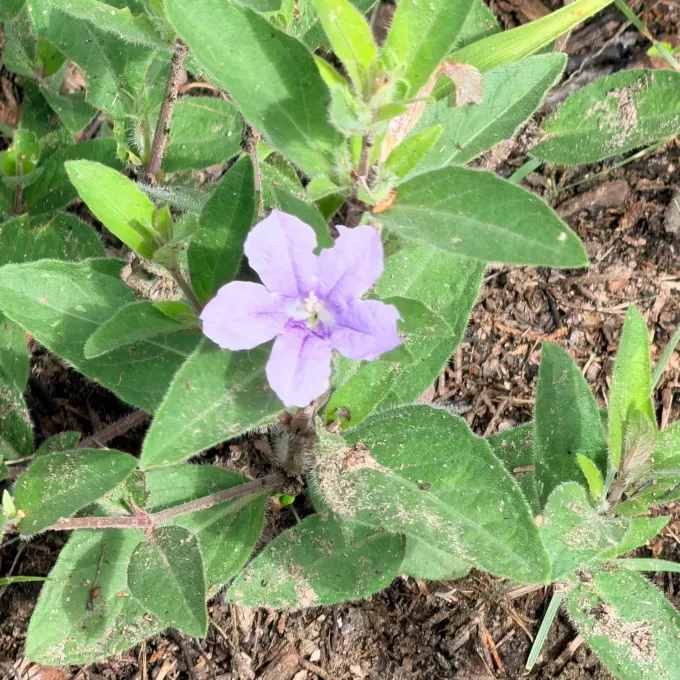
Description
Sowing dates
Sowing of Ruellia humilis seeds is best performed in the spring, once the threat of frost has completely passed and the soil begins to warm up.
Seeds should be planted in a well-draining seed starting mix and kept in a warm environment with temperatures around 20–22 degrees Celsius.
If starting indoors, ensure adequate light levels to prevent leggy growth of the seedlings before they are transplanted to the garden.
Transplanting should be done carefully to minimize root disturbance, as the plant establishes its root system relatively quickly after germination.
Spacing between plants should be approximately 30–40 centimeters to allow for healthy air circulation and proper development of the foliage.
Growing requirements
Ruellia humilis, commonly known as fringeleaf wild petunia, belongs to the Acanthaceae family and is native to the prairies and meadows of North America.
This perennial plant features small, attractive flowers and is known for its high drought tolerance once it is fully established in the landscape.
It thrives in full sun exposure but is versatile enough to grow well in partial shade conditions, making it a flexible choice for various garden designs.
The soil requirements include good drainage and moderate fertility, as the plant does not tolerate waterlogged conditions for extended periods.
While the plant is quite hardy, providing a layer of mulch in colder regions can help protect the root system during the winter months.
Main diseases and pests
The most common pests affecting this species are spider mites and aphids, particularly during hot and dry summer months when the plant is stressed.
Root rot is a potential threat, often caused by heavy, poorly draining soils or over-irrigation that leads to an accumulation of water near the base.
To maintain plant health, it is recommended to inspect the underside of the leaves regularly for signs of pest activity or fungal infection.
Proper site selection and ensuring that the soil structure is light and sandy can significantly reduce the risk of common fungal diseases.
Good garden hygiene, such as clearing debris from around the base of the plant in the autumn, helps prevent the overwintering of potential pests.